
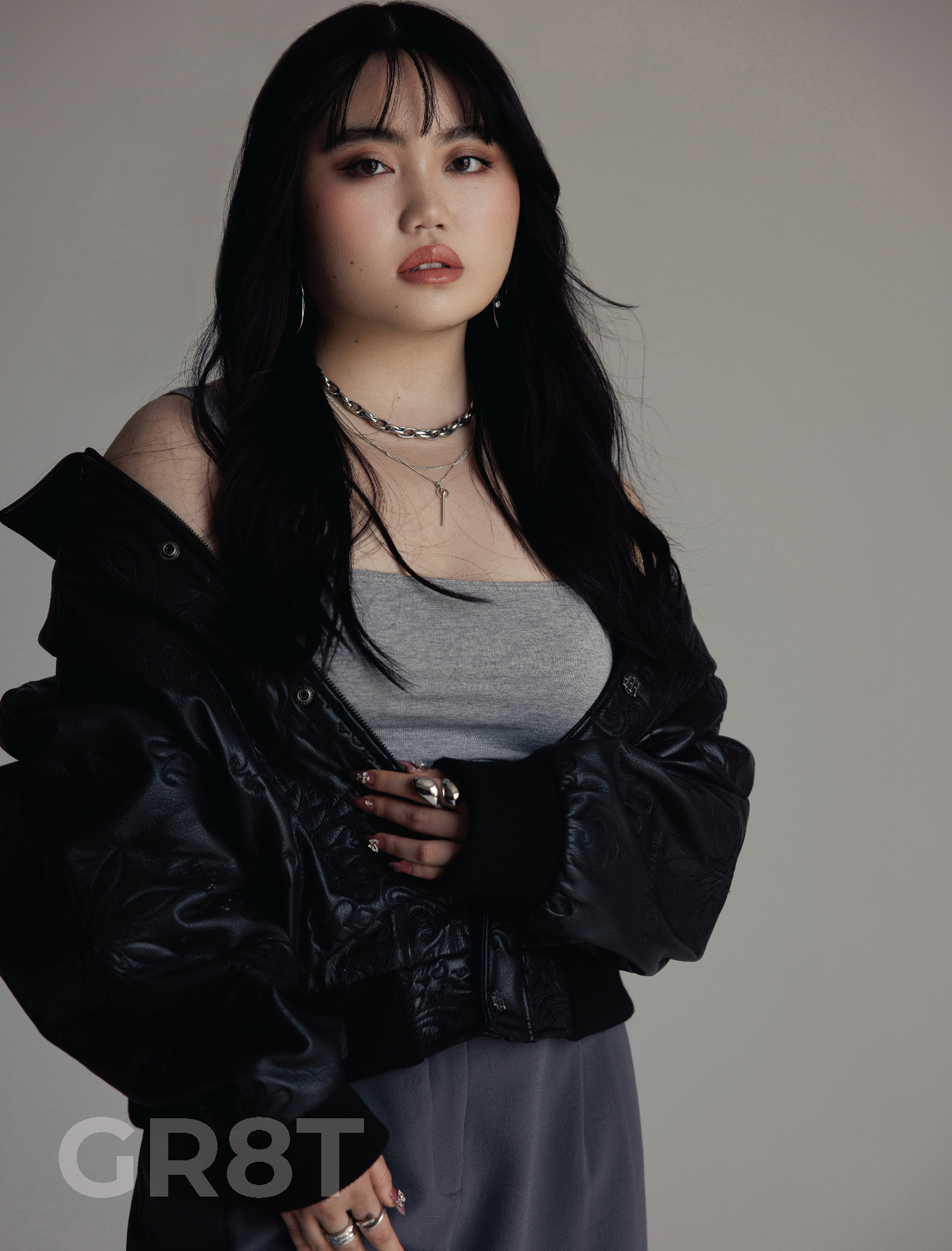
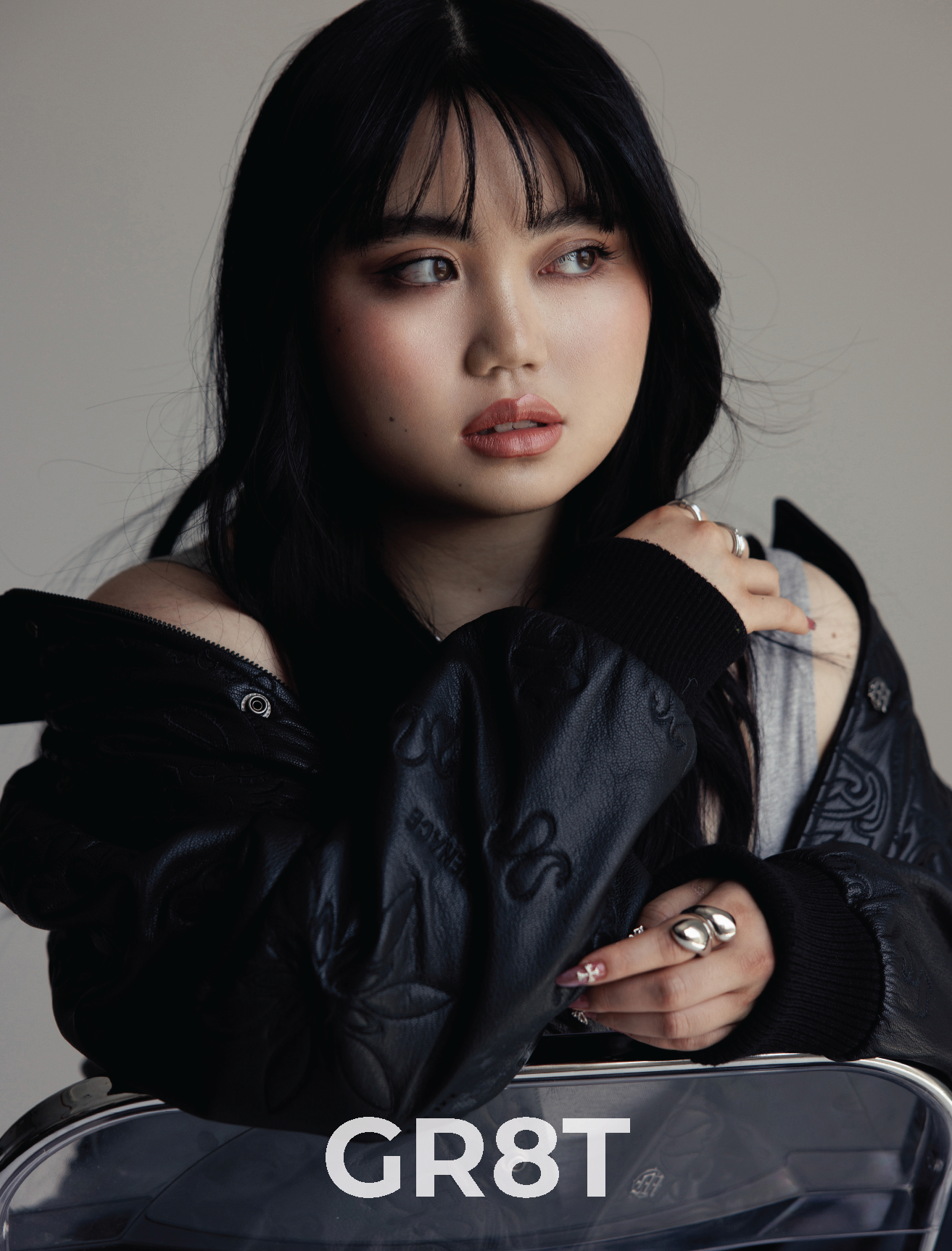
Digital Cover: Thalia Tran - Representing The New Generation of Vietnamese-American Talent
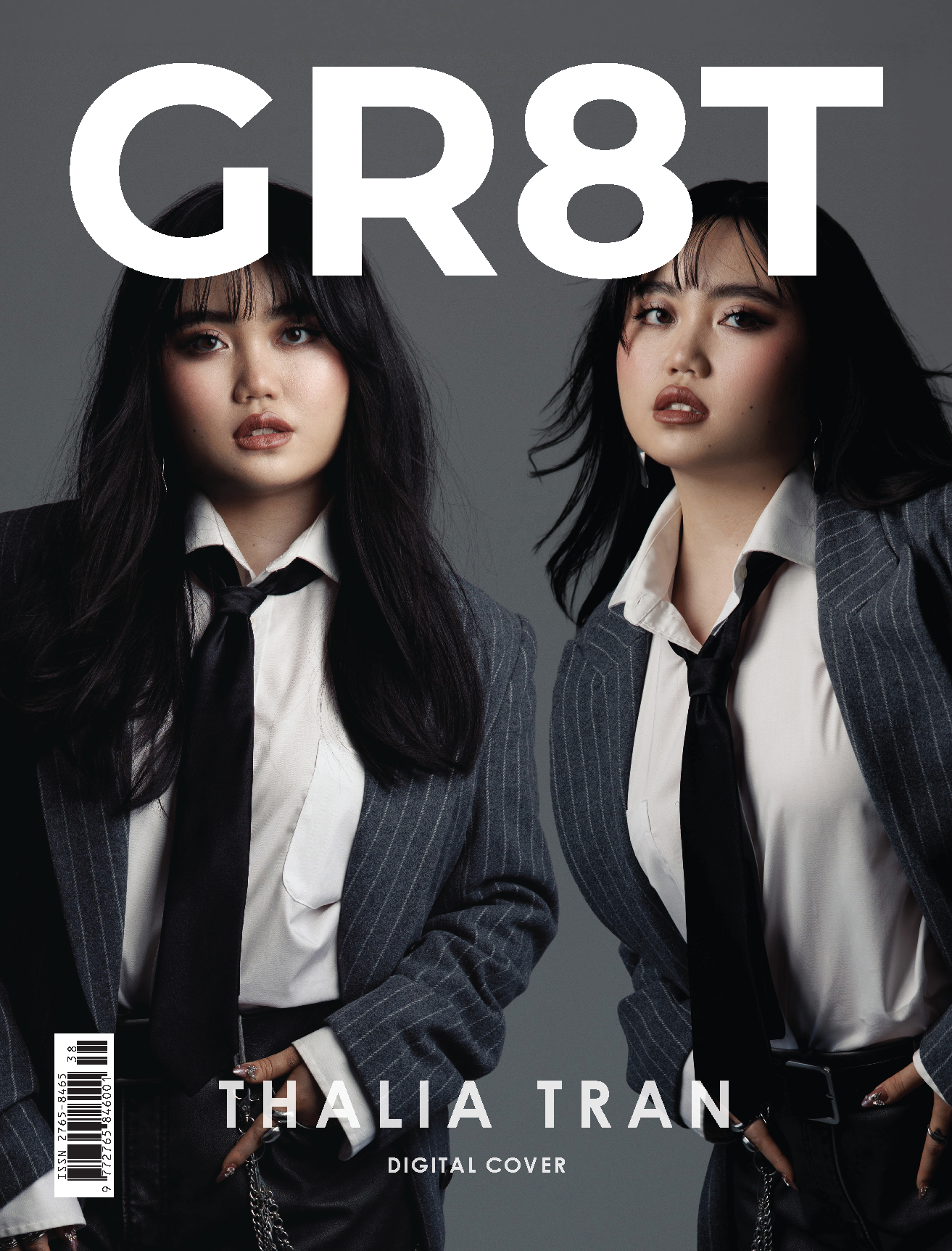
Talent: Thalia Tran
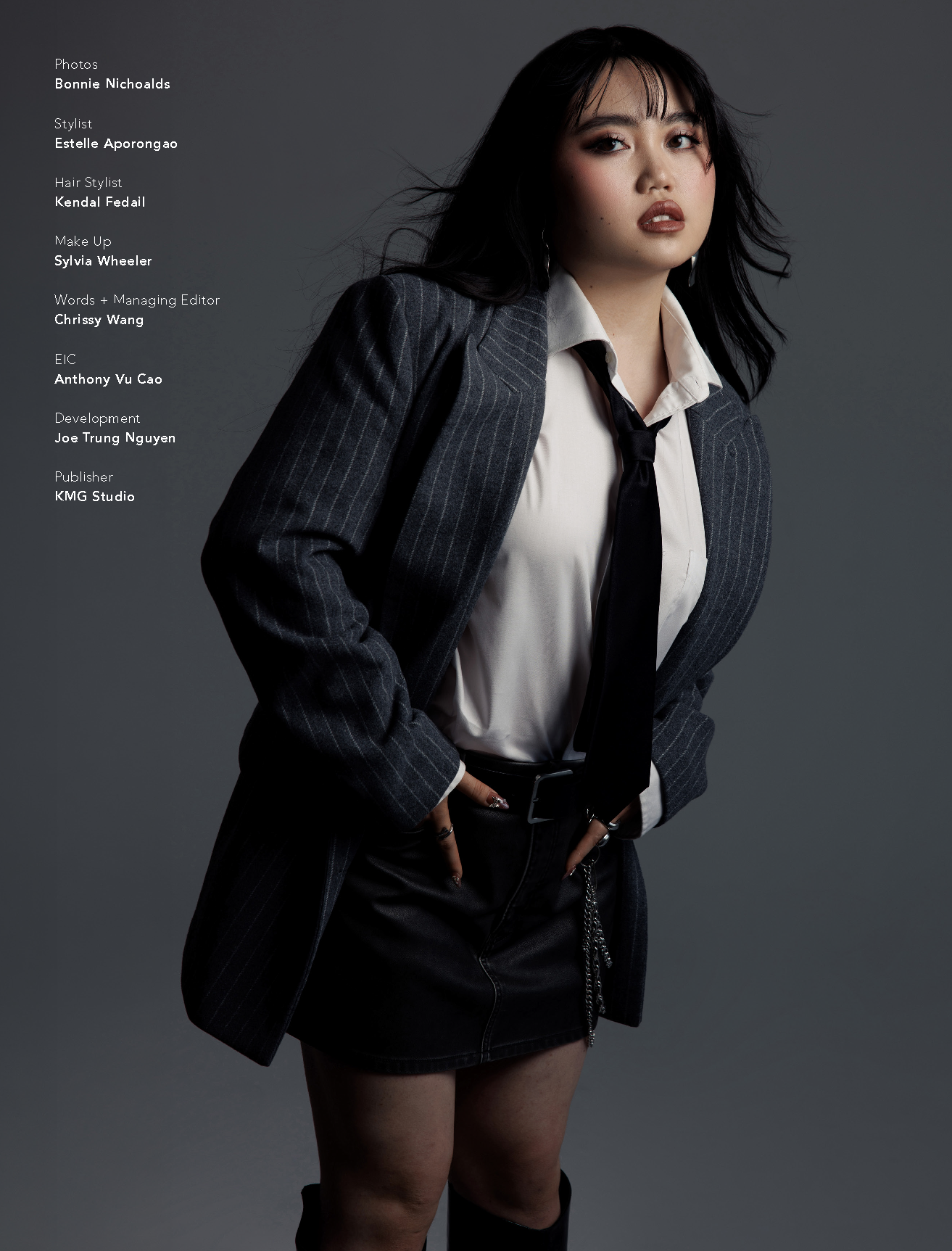
Photos: Bonnie Nichoalds
Stylist: Estelle Aporongao
Hair: Kendal Fedail
Make-Up: Sylvia Wheeler
Words + Managing Editor: Chrissy Wang
Development: Joe Trung Nguyen
EIC: Anthony Vu Cao
Publisher: KMG Studio
PR: Persona PR
Thalia returns to Season 2 of Avatar: The Last Airbender on June 25th via Netflix, taking on the fan-favorite role of Mai—the sharp, stoic knife-throwing warrior and trusted ally to Princess Azula. As the series builds on the massive global success of its first season, Thalia’s portrayal positions her as a central force in one of the platform’s most celebrated franchises.
Beyond acting, Thalia is also a singer-songwriter, cultivating a growing audience through her music and expanding her artistry behind the camera by shadowing directors and producers on set. With a multifaceted creative vision spanning performance, music, and storytelling, she is quickly emerging as one to watch across the entertainment landscape.
GR8T Magazine sat down with the dynamic talent to discuss her role in Avatar: The Last Airbender and her passion beyond acting.
Audiences were first introduced to you through projects like voicing Little Noi in Raya and the Last Dragon—how did those early experiences shape your foundation as a performer?
Acting as an art form is quite different from acting as a job and as a business, and my experiences on Raya and the Dragon and other earlier projects gave me a deeper understanding and appreciation of acting as a whole. I was privileged to be surrounded by so many veteran actors, who not only encouraged me but also showed me the ropes.
Looking back at your work across projects like Council of Dads and Little, how have those roles contributed to your growth and range as an actress?
Council of Dads and Little were truly formative experiences for me as a performer. Both projects were very different from each other, one being a comedic film and the other being a dramatic television show. I was challenged to experiment and try different approaches and really push my own limits as an actor.
As a Vietnamese-American actress, you're part of a powerful shift in Hollywood—what does authentic representation mean to you personally, and how does it influence your work?
I feel like authentic representation means specificity, complexity, and thorough inclusion. Specificity is such an important aspect of authenticity because it challenges the monolithic views of marginalized groups and ensures that the experiences of every group are viewed individually. Complexity makes our characters more nuanced and relatable. And inclusion through all parts of filmmaking (not just acting) helps us reclaim power over our narratives in every aspect. For me, I try to use the visibility given to me through my work to advocate for and shine the light back onto my community. I appreciate the love and support from the Vietnamese-Americans both inside and outside of this industry. They inspire me to persist in telling my stories and creating art. I can't wait to see more Vietnamese artists rise.
Returning to Avatar: The Last Airbender for Season 2, you step further into the iconic role of Mai—how did you approach honoring such a beloved character while making her distinctly your own?
I of course went back and did my rewatches before starting filming again, and while I wanted to draw a lot of inspiration from the original animation, I also wanted to make sure that I portrayed Mai in a way that was truthful to the distinct version of our universe created in our version of the show. A lot of this revolved around staying present, interacting with and reacting to the versions of Azula and Ty Lee that Lizzy and Momona embodied in this show. We worked so much on developing memories together and forging a bond that felt so uniquely ours.
With the new season arriving this June, how has the global response to the series influenced your experience being part of such a widely celebrated franchise?
It's been so insane and so gratifying to interact with Avatar fans from all over the globe. I always love getting to share my love of the show with other fans, and to this day, I'm still so shocked and ecstatic and grateful that I get to be a part of this universe. It really is a childhood dream come true.
Mai is known for her stoicism and precision, but also carries emotional depth—how did you work to bring new layers to her as she becomes more central to the story?
I tried to really work on building her internal world because audiences are all able to see her stoic exterior, but beyond that, there's a person who cares deeply about her loved ones, about the world, and about her beliefs. I think working with such wonderful actors made it so much easier to believe in the stakes and to become emotionally invested. When I allowed myself to truly feel the weight of the circumstances, I was able to better understand why she felt the need to build these emotional defenses.
Mai exists within a complex dynamic alongside Azula—how did you approach building that relationship on screen, and what nuances were important for you to convey within that bond?
First of all, it was really important to build the history between our characters. We constructed memories together spanning from childhood all the way to the present moment in Season 2, and as we visualized those memories together, we solidified the bond and love between us. Then, of course we had to delve into the complex factors affecting our individual behaviors such as parental pressures, societal expectations, and personal beliefs (which were to varying degrees affected by Fire Nation propaganda). The unique balance of alignment and conflict between us created the complex dynamic that we know and love between our characters.
Roles like Mai require both physical discipline and emotional restraint—what does your preparation process look like, and how do you balance technical precision with instinct?
My preparation for this role was both physical and mental. Physically I began training almost every day of the week. Apart from the Wushu Kungfu that I had studied prior to this project, I picked up Muay Thai and boxing, which I quickly fell in love with. Combat sports require a specific type of discipline, intensity, presence, and precision which I felt drew me closer to Mai. Emotionally I prepared by engaging in a lot of imagination exercises to immerse myself in Mai's world and to truly begin feeling her experiences as my own. The girls and I rehearsed a lot together prior to filming, and while we wanted to make sure that everyone was confident in the flow and structure of the scene, we also wanted to leave room for playfulness and creativity during filming. We put a big emphasis on discovering new things while we were filming to make sure that novelty and instinct still played a role in our scenes.
Beyond acting, you're also a singer-songwriter—how does your music inform your performance work, and in what ways do the two creative outlets intersect for you?
I feel like my background in music and specifically music composition really shapes the way I approach scene study. I think of progression through plot points like progression through a song, where emotional arcs are like the dynamics. I also utilize music a lot during character prep and even while I'm filming. Songwriting and acting are both incredibly vulnerable to me, and I feel like my evolution in one sphere fuels my evolution in the other.
As your career expands across both acting and music, how do you navigate maintaining a cohesive creative identity?
I feel like at the end of the day, I really just want to put out work that I can proudly say that I poured my heart and soul into because that's going to be the most honest reflection of myself as an artist. I think we all learn and grow as time goes on, and I would love to continue pushing the limits of my versatility. I think the uniting theme between all my creative work is passion.
Your artistry is evolving behind the camera as well—what have you learned from shadowing directors and producers on set?
My experiences shadowing on set have given me a newfound appreciation of the level of meticulousness and intention that goes into world building and characterization. Through the actor's lens, world building and characterization is often accomplished through imaginative exercises and internal work. In contrast, directors and producers handle it in a very practical, concrete way. Every detail on screen is presented deliberately. The costumes, the framing, the lighting—they all aid in telling the story, and the directors and producers facilitate these conversations in a way that helps bring together everyone's artistic visions.
How is that behind-the-scenes experience shaping your long-term vision as a storyteller?
It showed me more sides of storytelling and filmmaking that I can look forward to as I progress through my career. I am so grateful that I got the chance to learn from our incredible directors and producers, and I can't wait to continue exploring the world behind the camera.
As someone growing up in the spotlight, how has your definition of success evolved over time?
I think over time my definition of success has shifted away from expectations imposed upon me towards personal aspirations of fulfillment. I feel like even as a child, society tells you what success is supposed to look like, and it's a very rigid box to fit in. But I've realized that at the end of the day, it's really about doing what brings me joy and following my heart. I feel like this has been a much more fulfilling approach to success for me.
You represent a new generation redefining Hollywood—what kinds of stories are you most passionate about telling next?
I want to continue telling stories that bring people together and move people's hearts. Those are the kinds of stories that I love to watch, and those are the kinds of stories that I want to tell. I want to explore new universes and experience different lives and relationships and people, and I want everyone to share that experience with me.
Looking ahead, what excites you most about this next chapter—both with Avatar and your broader journey as a multifaceted creative?
I'm really excited for people to finally see Season 2 which we've poured so much love into. It's always so gratifying to be able to connect with audiences through your art. On a broader scale, I'm really excited to continue growing as an artist, and I can't wait for all the stories that I'll get to tell in the coming years. GR8T
Follow Thalia Tran
@thalia__tran