

Photo by Brendan Mainini
At the intersection of art, finance, and philosophy, Grace Zhang has cultivated a creative practice that transforms the search for patterns into a vivid exploration of human existence. A visual artist and family office fund manager based in the San Francisco Bay Area, Zhang moves between the precision of financial markets and the intuitive freedom of painting, finding unexpected connections between the cycles of the economy, the rhythms of nature, and the mysteries of the universe.
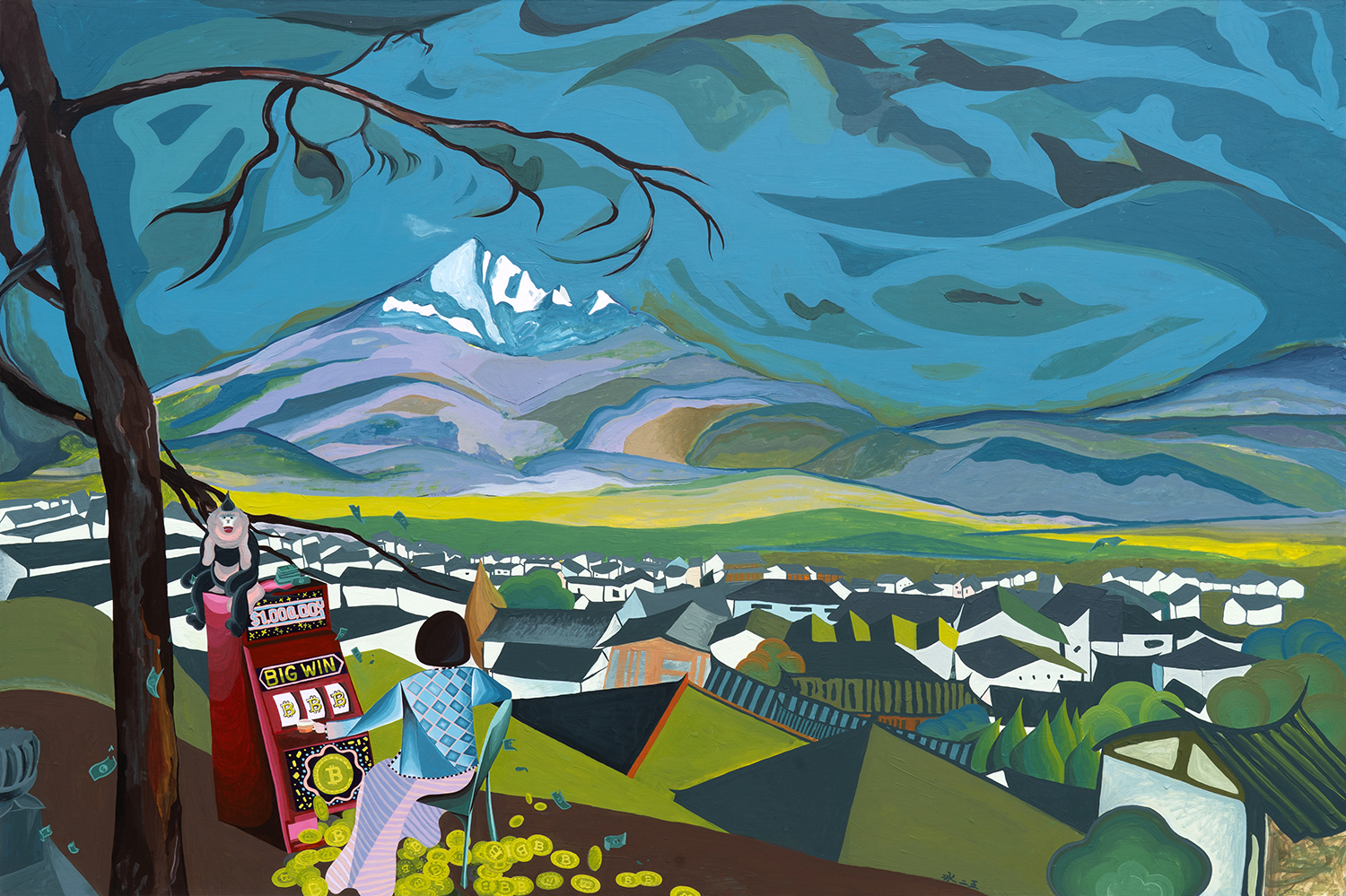
Born in Jiangsu, China, and educated at Columbia University, Zhang approaches her artistic practice with the same rigor and curiosity that define her professional life. Her distinctive visual language is built around geometric compositions, recurring dot-and-wave motifs, and saturated, contrasting colors, drawing inspiration from the structural approach of Paul Cézanne, her extensive travels, and her deep appreciation for haute couture. Through expressive self-portraits featuring custom-designed fashion pieces, she transforms personal identity, style, and lived experience into contemporary visual narratives.
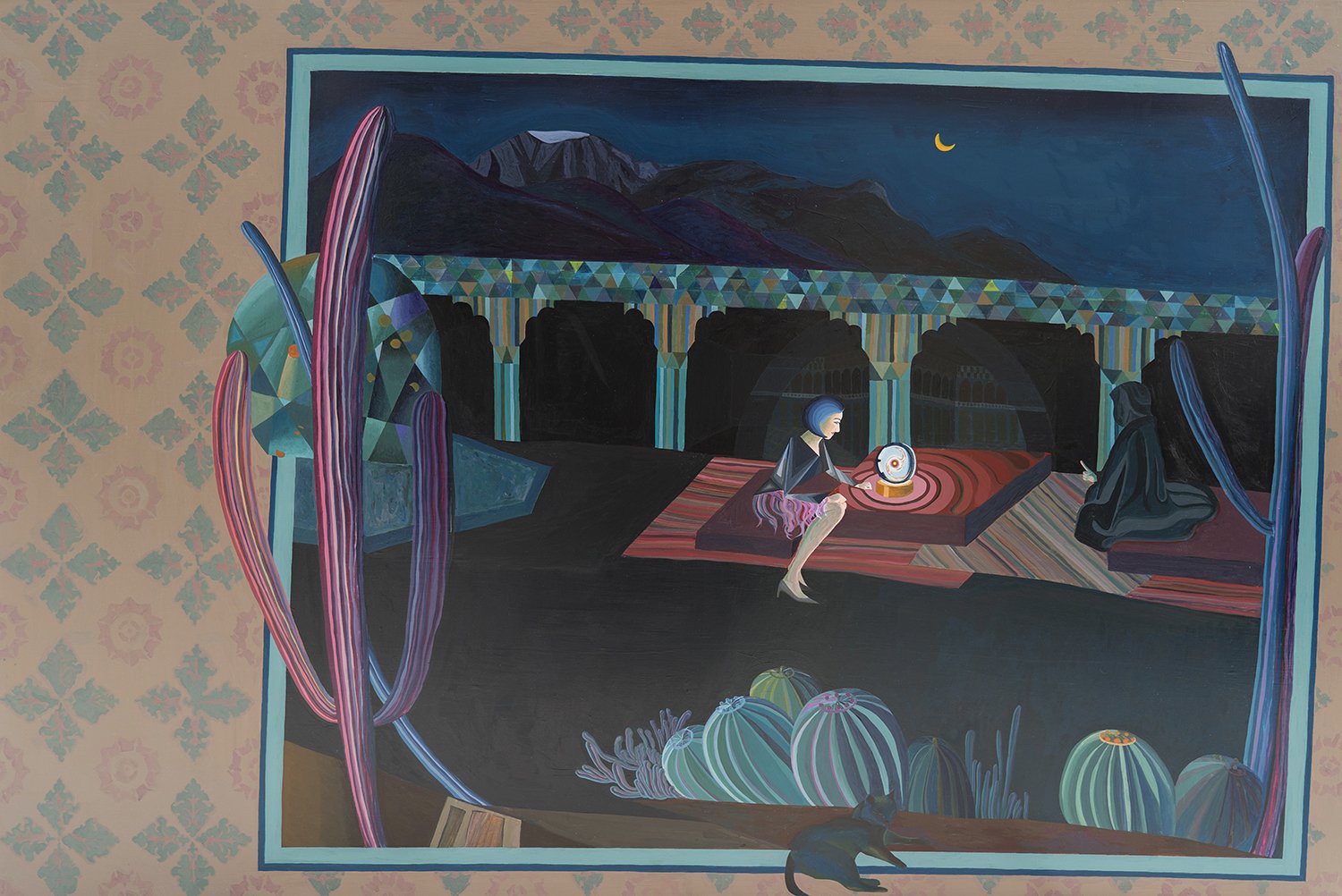
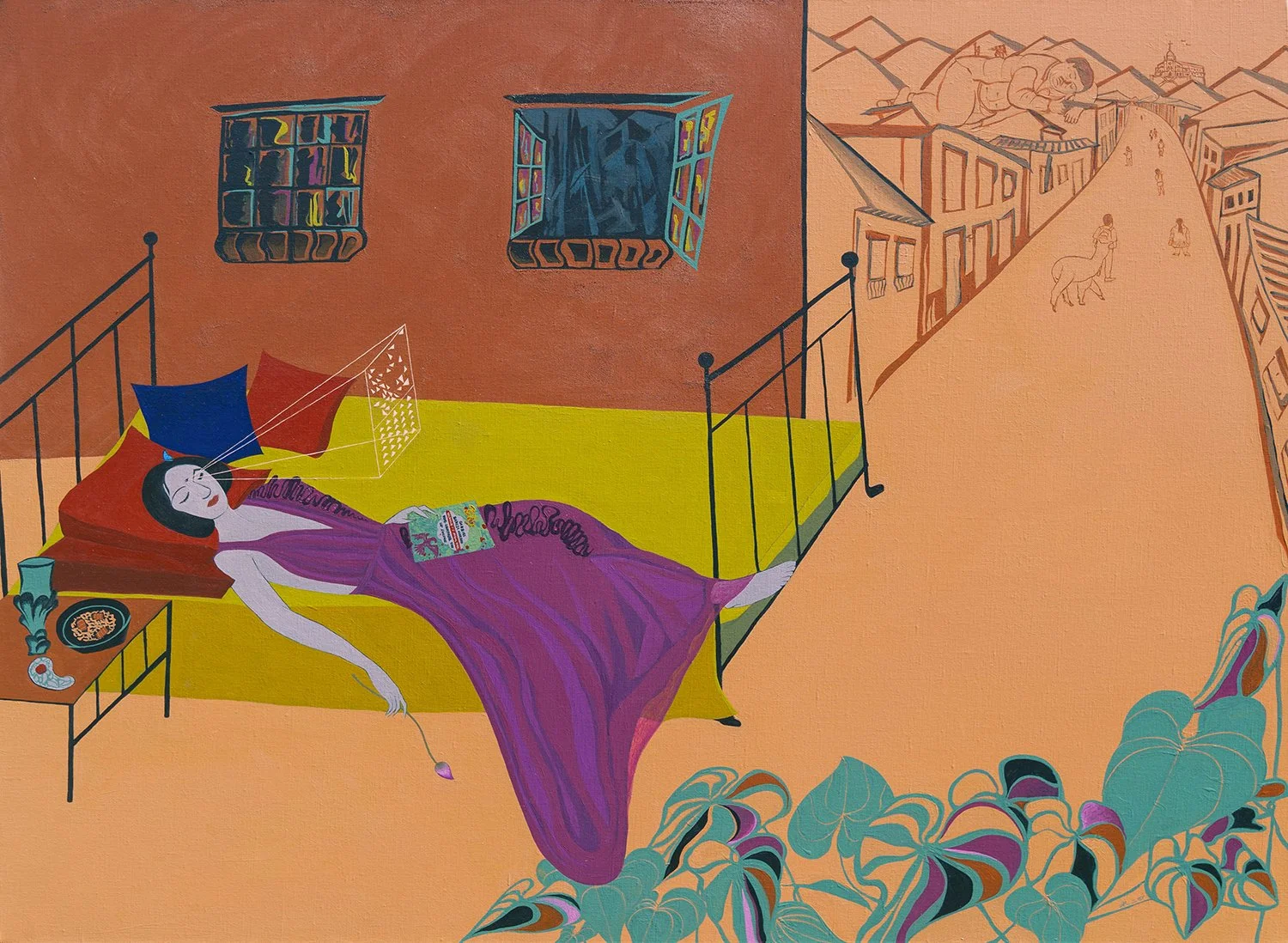
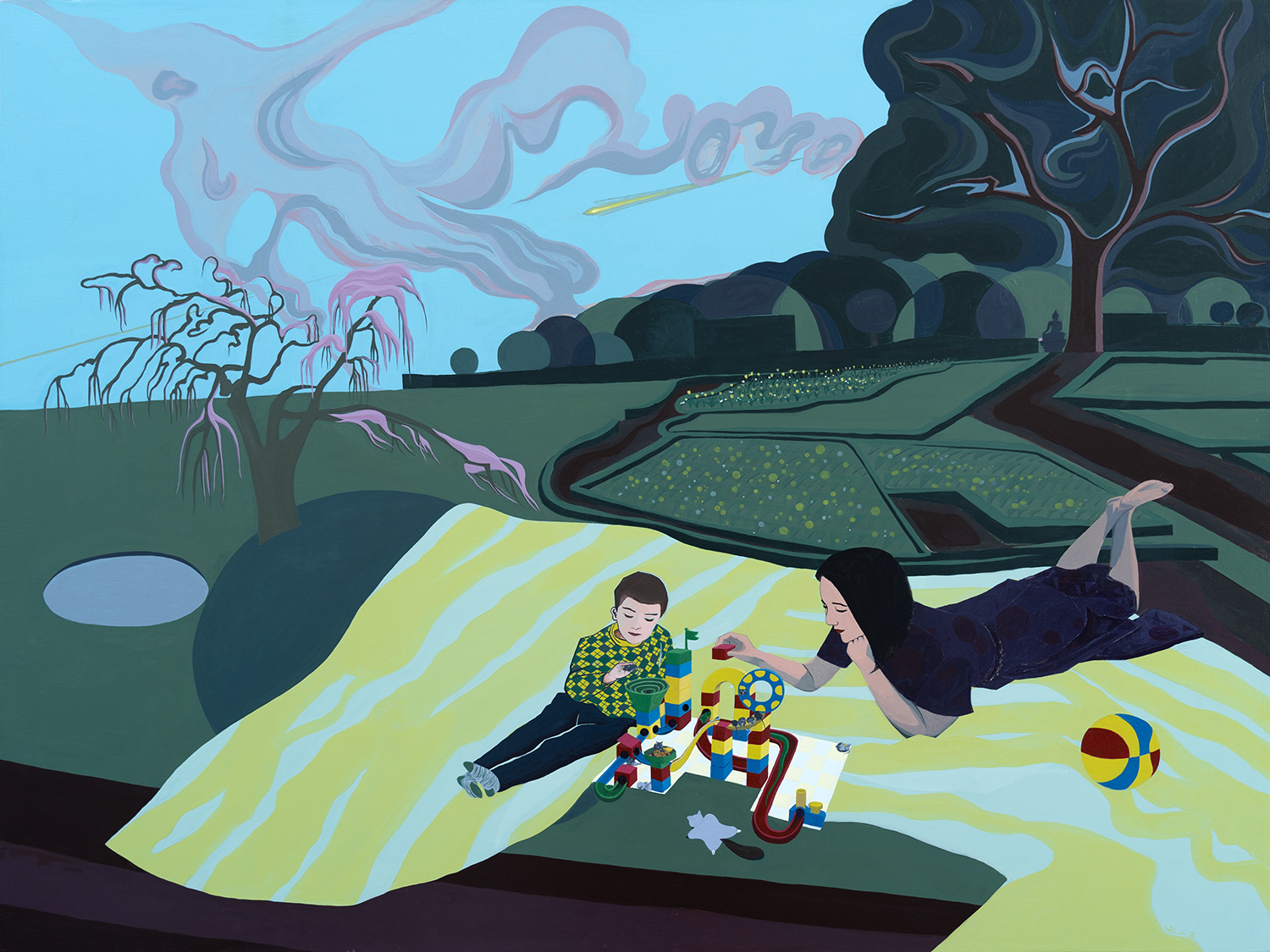
In her latest body of work, Zhang expands these explorations beyond the canvas, contemplating the relationship between the earthly and the infinite. Her Aurora Undae Country Club series reimagines golf as a portal to cosmic space, connecting the intimate scale of a golf ball to the immensity of the universe. Informed by Buddhist philosophy, her work reflects on impermanence, life, death, and humanity’s place within a much larger existence. Her creative vision also extends into sculpture, jewelry, and fine watch design, revealing a multidisciplinary approach that bridges art, craftsmanship, and personal expression.
These ideas converge in ** Spacetime Monologue **, Zhang’s solo exhibition presented by GCS Agency in San Francisco’s historic Jackson Square neighborhood. Bringing together approximately 32 paintings, a one-of-a-kind sculpture, and a custom-designed fine watch, the exhibition offers an intimate look into an artistic practice she has long pursued alongside her career in finance.
Exhibition Information
Exhibition: Grace Zhang: Spacetime Monologue
Dates: October 16–25, 2026
Location: GCS Agency, 201 Jackson Street, San Francisco, CA 94111
Public Opening Reception: Friday, October 16, 2026, from 6–9 PM
Gallery Hours: Daily, 11 AM–6 PM; closed Monday, October 19
Presented by: GCS Agency
For GR8T Magazine, Zhang opens a window into the ideas, inspirations, and disciplines shaping her evolving practice—from the relationship between finance and creativity to the expressive power of fashion and the philosophical questions that connect humanity to the cosmos. Through this conversation, she reflects on the meaning behind Spacetime Monologue, the pursuit of artistic identity, and the enduring desire to find beauty, order, and meaning within the complexities of life.
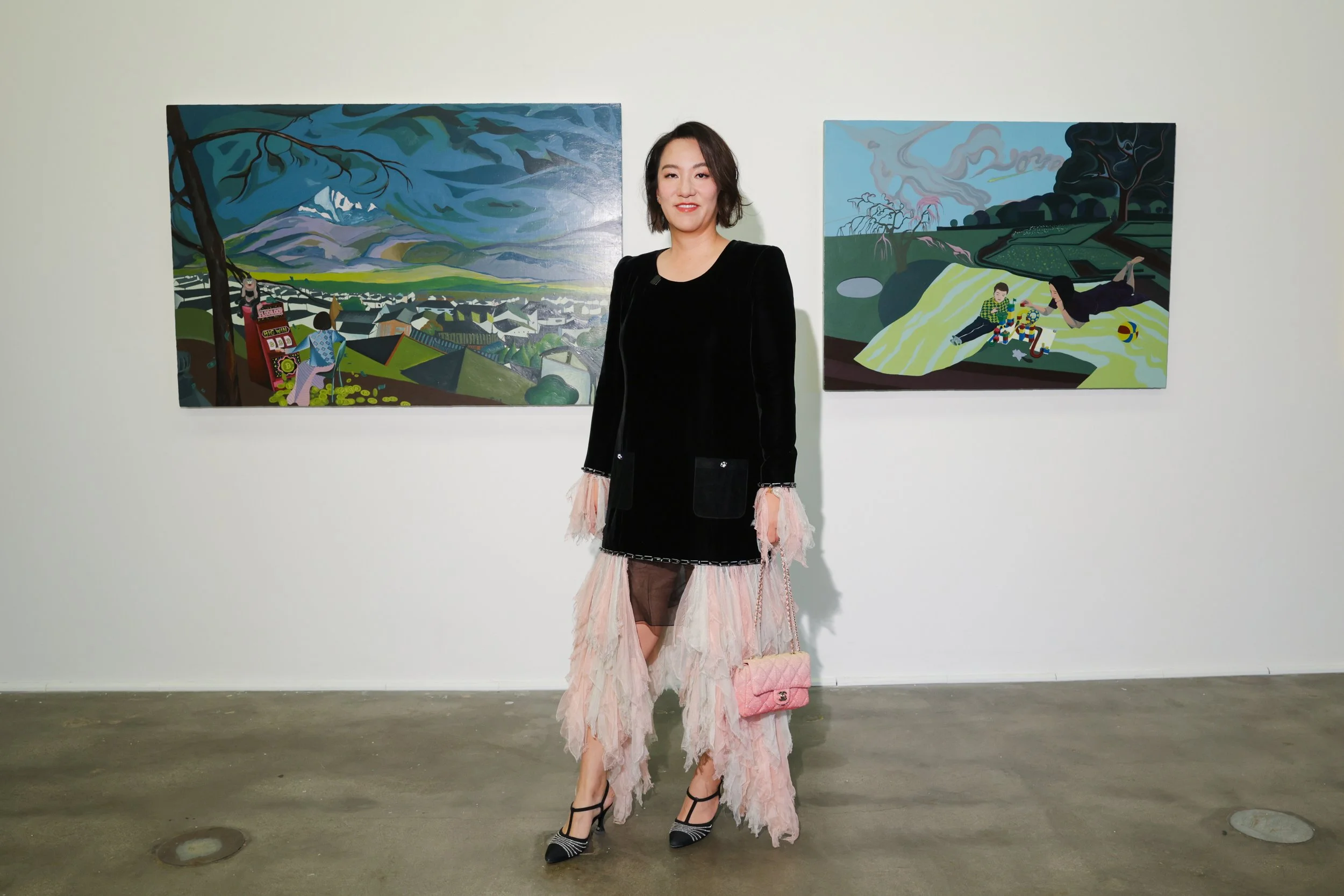
Photo by Kyle Goldberg/BFA
You balance a demanding career as a family office fund manager with a rigorous studio practice. How have these two seemingly different worlds shaped your perspective as an artist, and what does each allow you to express that the other cannot?
My work in both art and finance brings me back to the same fundamental question: is there an underlying order to the universe, or is it governed by chaos? In financial markets, we see cycles and patterns, yet uncertainty constantly challenges our attempts to predict what comes next. I encounter a similar tension in painting: composition and color relationships create structure, while spontaneous, intuitive marks introduce an element of unpredictability. For me, a painting comes alive through the interaction between the two.
Moving between these worlds has shaped how I look beneath the surface, searching for structure while remaining open to surprise. Investing demands that I translate uncertainty into decisions; art allows me to explore uncertainty without having to resolve it. My studio practice also gives me space to decompress from the pressures of investing, while finance offers another lens through which to consider patterns, relationships, and the unexpected in my art.
You have described your Bloomberg Terminal and canvas sitting side by side, with both disciplines involving patterns, cycles, and the search for meaning within chaos. How does your understanding of market movements influence your artistic process, and do you find yourself approaching a blank canvas much like an unpredictable market?
Cycles are central to how I understand markets—from broad macroeconomic cycles to industry cycles and fluctuations that unfold in seconds. I see similar rhythms in nature: growth and decay, life and death. What interests me is that these recurring patterns never eliminate uncertainty. Even within a recognizable cycle, an unexpected event can change everything.
That tension between order and unpredictability also informs my painting. I’m drawn to the idea that a circle—a seemingly perfect, orderly form—is inseparable from an irrational number, pi. To me, it is a poetic expression of how something clear and structured can contain something that never fully resolves.
I approach a blank canvas much as I approach an unpredictable market: with preparation, rather than the expectation that I can control the outcome. Before investing, I develop a detailed plan and consider how I would respond to different scenarios. Before painting, I work through the narrative, composition, and color relationships. In both disciplines, structure gives me the confidence to respond to the unexpected. The preparation is deliberate, but it has to leave room for discovery.
Your solo exhibition, Spacetime Monologue, brings together approximately 32 paintings, a one-of-a-kind sculpture, and a custom-designed watch. What does the title mean to you personally, and how do these different mediums contribute to the larger conversation you want to create with your audience?
Spacetime Monologue grows out of the question at the center of my practice: what is the fundamental structure of the universe we inhabit? Space and time are the starting points for that inquiry. The title describes an ongoing inner conversation—a personal contemplation that takes form through the work. By sharing it, I hope to open that conversation to others.
Each medium gives me a different way to explore these ideas. Painting is where I do most of my exploration today, but the two-dimensional surface also has its limitations. Sculpture allows that inquiry to extend into three dimensions, inviting viewers to move around the work and experience it from different perspectives.
The watch brings the conversation into a more intimate realm. It relates directly to time, but it is also something a person can wear and carry through daily life. While a painting or sculpture usually occupies a particular place, the watch moves with its wearer. That shift—from encountering an artwork in a space to carrying it with you—is especially meaningful to me.
I see these different mediums not as separate pursuits, but as different ways of asking the same questions. In the future, I would like to extend that exploration into sound installations, photography, and tapestry, discovering what each form allows me to express.
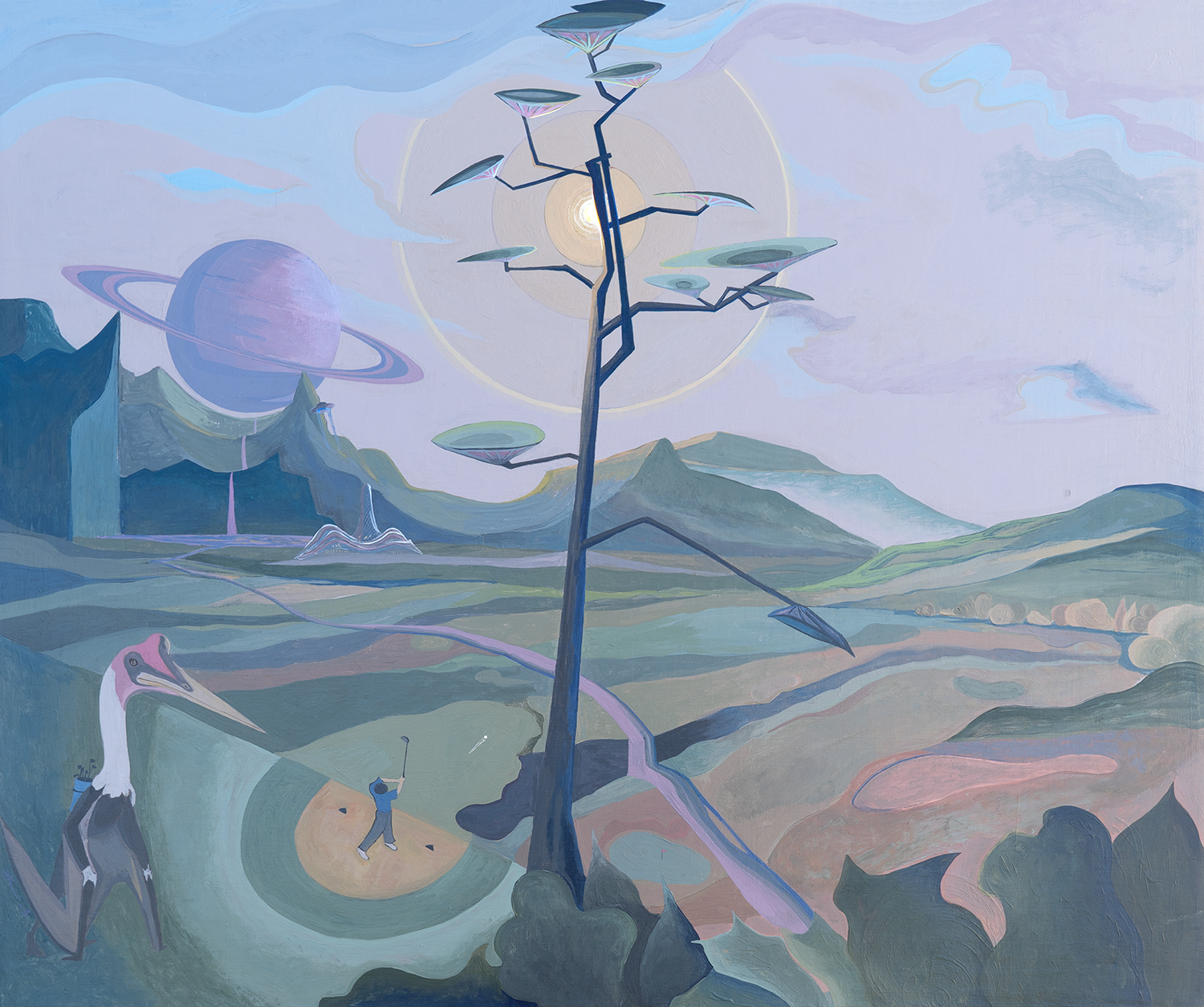
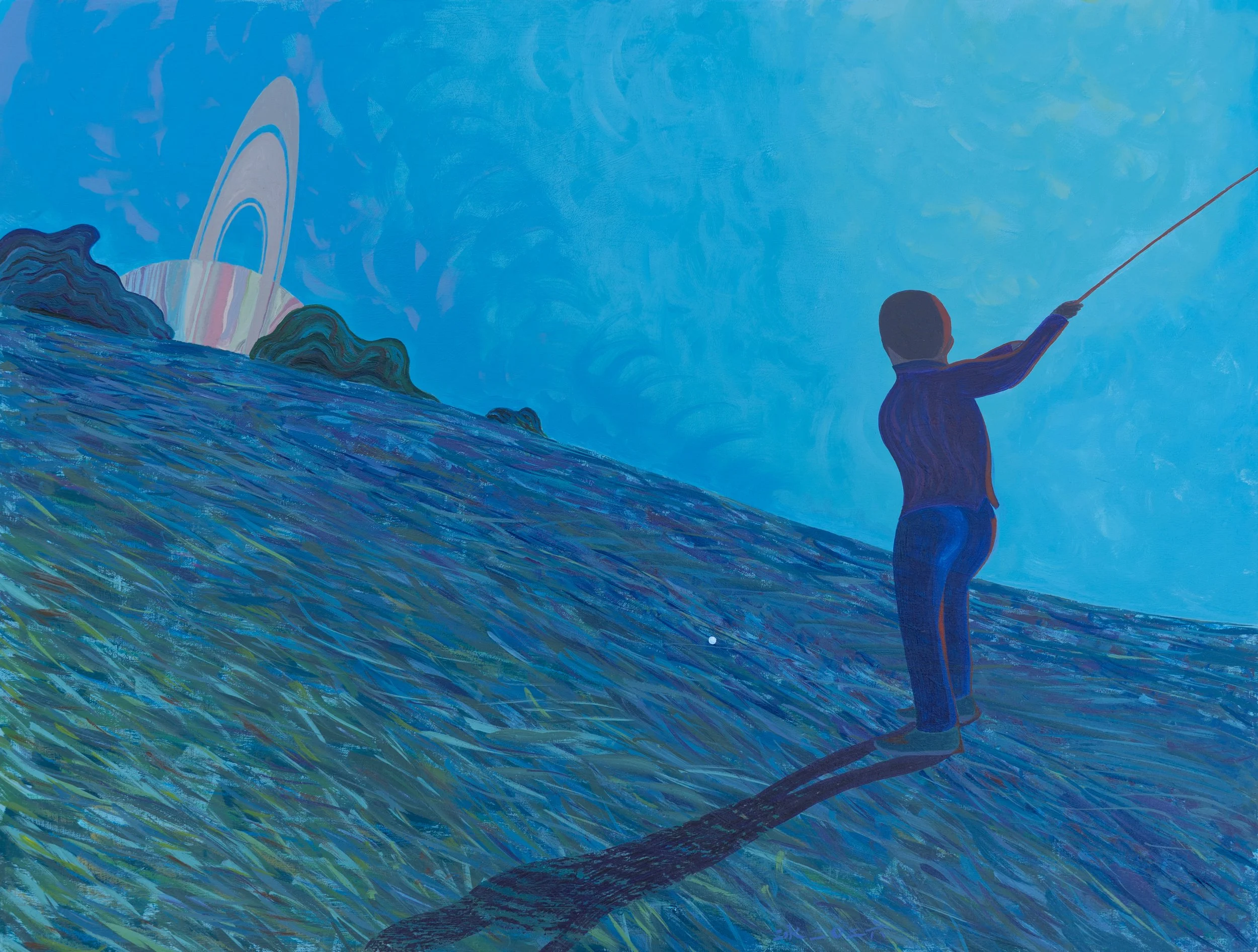
Your work is recognizable for its recurring dot-and-wave motifs, geometric structures, and vivid, contrasting colors. What inspired you to develop this visual language, and how do these elements help you communicate emotions, movement, or ideas that words cannot fully capture?
My visual language began with the idea that light can behave as both particles and waves. Dots and waves became a way for me to explore the fundamental structure of the universe—not as scientific illustrations, but as a vocabulary for painting.
I’m fascinated by how a wave can appear to change depending on how we imagine or view it: from the side, from above, or extending through space and time. As I transform and layer these forms, they sometimes suggest the double helix of DNA. For me, that becomes a metaphor for how life—and even society—develops through repetition, variation, and change.
Geometry gives the work structure, while vivid, contrasting colors bring emotional energy. Their interaction allows a painting to feel ordered yet restless, rhythmic yet unpredictable. These are sensations I can explore visually without having to pin them down in words.
Underlying this language is my intuition that beauty has something to do with recognizing the patterns beneath the surface of things. I like to imagine that we carry an instinctive sensitivity to those patterns—that something in us responds when we encounter an echo of the larger universe. The closer my work feels to those fundamentals, the more meaningful and beautiful it becomes to me.
You cite Paul Cézanne as a lasting artistic influence, particularly his structural approach to color and form. How has his work informed your understanding of composition, and how have you transformed that influence into a visual identity that is distinctly your own?
I feel a personal connection to Cézanne’s path. His father hoped he would enter banking, while I grew up in a family deeply involved in investing and finance, where art was not the encouraged direction. Although our circumstances are different, I recognize that pull toward the canvas—the desire to make art even when another path has been laid out for you.
What draws me most to his paintings is their internal logic. I return again and again to the way he builds a composition through relationships between color and form. His work reminds me that painting is not simply about depicting a subject; it is about constructing a visual world in which every element has a role. I also relate to his practice of painting directly from nature. For me, close observation is an essential starting point for transforming what we see into art.
His paintings are a touchstone, but what I take from them is a way of thinking, rather than a style to reproduce. I bring that structural approach into my own vocabulary of dots, waves, geometric forms, and contrasting colors, alongside my interests in the universe, uncertainty, and the relationship between order and chaos.
My work also grows out of a different life: moving between finance and the studio, traveling, and encountering ideas and information across cultures and disciplines. Cézanne helps me think about how to build a painting; my own experiences shape what I want that painting to express.
Having traveled extensively around the world, you bring landscapes, cultural experiences, and personal narratives into your paintings. Is there a particular destination or encounter that fundamentally changed the way you see the world, and how did that experience find its way onto your canvas?
Many of my travels have inspired my work, but my visit to Marrakech, Morocco, was particularly meaningful. Having grown up in Asia and now living in the West, I had had relatively little direct exposure to Islamic art and culture. Marrakech opened up a different visual world for me, especially through its art and architecture.
I was particularly drawn to the geometric patterns and the way they create such a rich visual language without relying on the human figure. This resonated with my own desire to find structure in the universe. What fascinated me was the tension between order and complexity: up close, I could follow the repetition of individual shapes, but from a distance, those same patterns could appear almost chaotic.
That experience found its way into my paintings less as a depiction of a place than as a way of thinking about composition. It encouraged me to explore how repetition and geometry can create complexity, and how an underlying order can exist within what initially appears to be chaos.
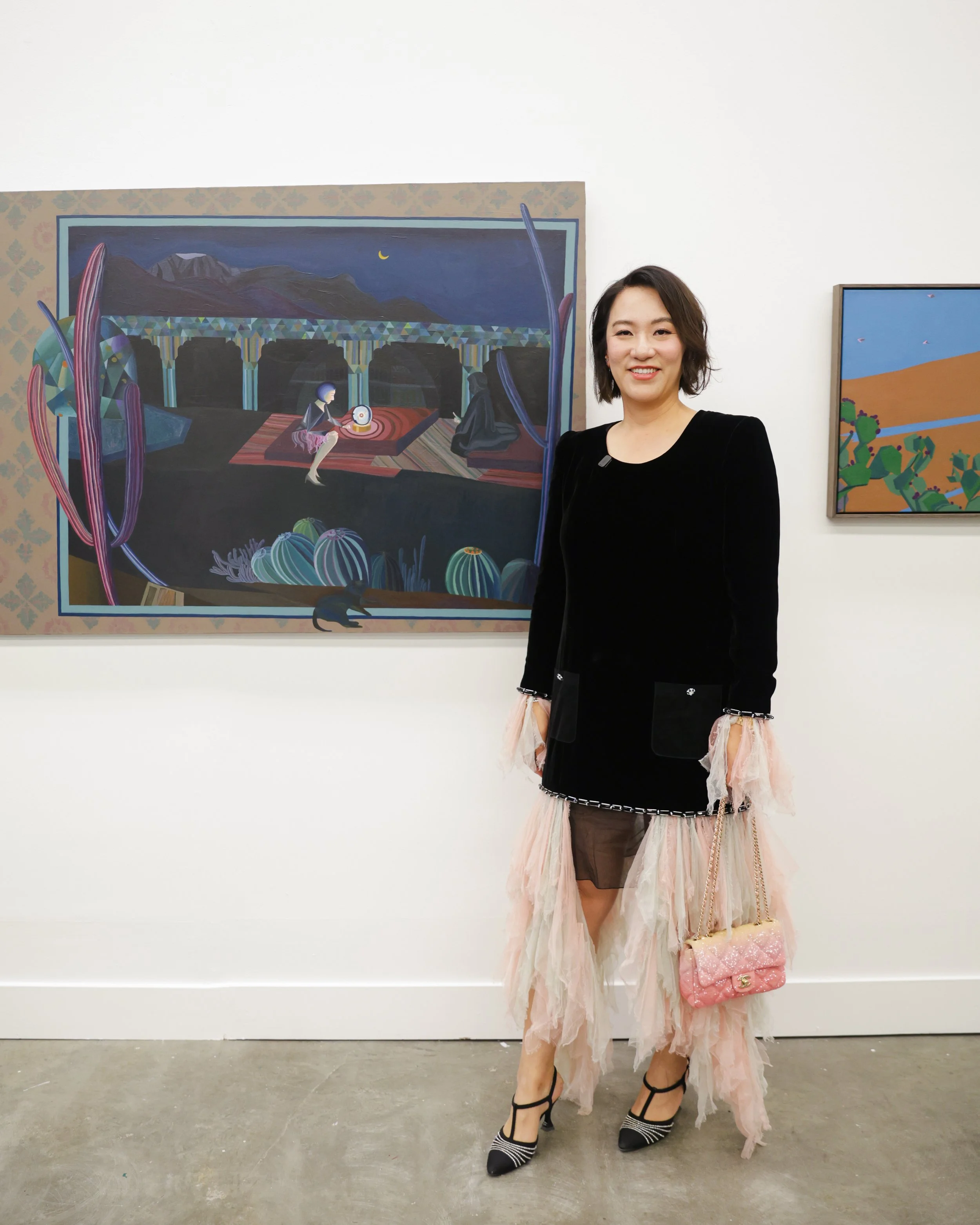
Photo by Kyle Goldberg/BFA
Your artistic practice brings together haute couture, travel, and personal storytelling, including self-portraits featuring custom-designed pieces associated with fashion houses such as Chanel and Dior. What does fashion allow you to communicate about identity, femininity, and self-expression, and how does it become part of your artistic mythology?
For me, fashion is art that lives directly on the body. Paintings and sculptures usually belong to a space, whereas clothing moves with you. You cannot carry a painting everywhere, but you can wear something that expresses your artistic sensibility. That immediacy makes fashion a very personal form of self-expression: it becomes part of how you present yourself and tell your story.
I am especially drawn to haute couture because of its complexity, craftsmanship, and the time it takes to create. My paintings share those qualities, so bringing the two together feels natural. In my self-portraits, couture is not simply decoration; it becomes part of the visual language through which I explore identity and femininity.
By incorporating these garments into my paintings, I bring something worn and lived into an imagined world. That is where fashion becomes part of my personal mythology—connecting who I am with the characters and stories I create. I would like to develop this dialogue further through an exhibition that brings my paintings and couture pieces together, allowing viewers to experience the relationship between the garment, the body, and the painted image.
Your self-portraits merge fashion and lived experience into carefully constructed visual narratives. When you place yourself within a painting, are you exploring who you are, who you aspire to become, or a character that exists somewhere between reality and imagination?
When I place myself in a painting, I am usually creating a character who exists somewhere between reality and imagination, rather than trying to represent who I am or who I aspire to become.
The narratives in my paintings are cinematic and surreal, so my self-portrait becomes a character within that imagined world. It feels a little like acting in a film: I lend my appearance to a role, but the role is not necessarily me. I enjoy that freedom—the possibility of stepping outside my everyday identity and becoming someone else within a story. There is something playful about it, and that is a large part of the pleasure for me.
Your Aurora Undae Country Club series reimagines golf as a portal between earthly experience and cosmic space. What drew you to this unexpected intersection of sport and the universe, and how does the contrast between something as small as a golf ball and the vastness of the cosmos inform the meaning of these works?
Golf is a big part of my life, and I love everything that comes with the sport. I had wanted to bring it into my paintings for a long time, but much of the golf-related art I encountered felt too literal—realistic depictions of particular courses. I wanted to explore something beyond the familiar landscape, so I took golf to another planet and gave my imagination room to roam.
In Aurora Undae Country Club, golf becomes a connection between something I know intimately and a universe I can only imagine. I like the contrast between the smallness of the ball and the vastness surrounding it: a familiar game suddenly becomes strange, and a human-scale activity takes on an entirely different perspective.
For me, the series is a playful way to bring a personal passion into a surreal world. It is still unfolding, and I keep imagining new places where the game might take me.
Your work reflects on life, death, and human existence through a Buddhist lens. How has Buddhist thought influenced your understanding of impermanence and our place in the universe, and how do you translate these deeply philosophical ideas into visual experiences that viewers can connect with on a personal level?
I grew up in a Buddhist environment, but as a child, I found its emphasis on suffering quite pessimistic. Now I see it differently: acknowledging life’s difficulties encourages me to appreciate joy, live more fully, and show compassion toward others.
The idea of impermanence also feels hopeful to me. Beautiful moments are precious because they do not last, but neither do difficult ones. I find comfort in seeing life and death as part of a continuing cycle.
In my paintings, I explore these ideas through surreal narratives and the contrast between human figures and vast, imagined worlds. Rather than illustrate a philosophy, I want to create an emotional experience—one that invites viewers to reflect on their own lives with curiosity rather than despair.
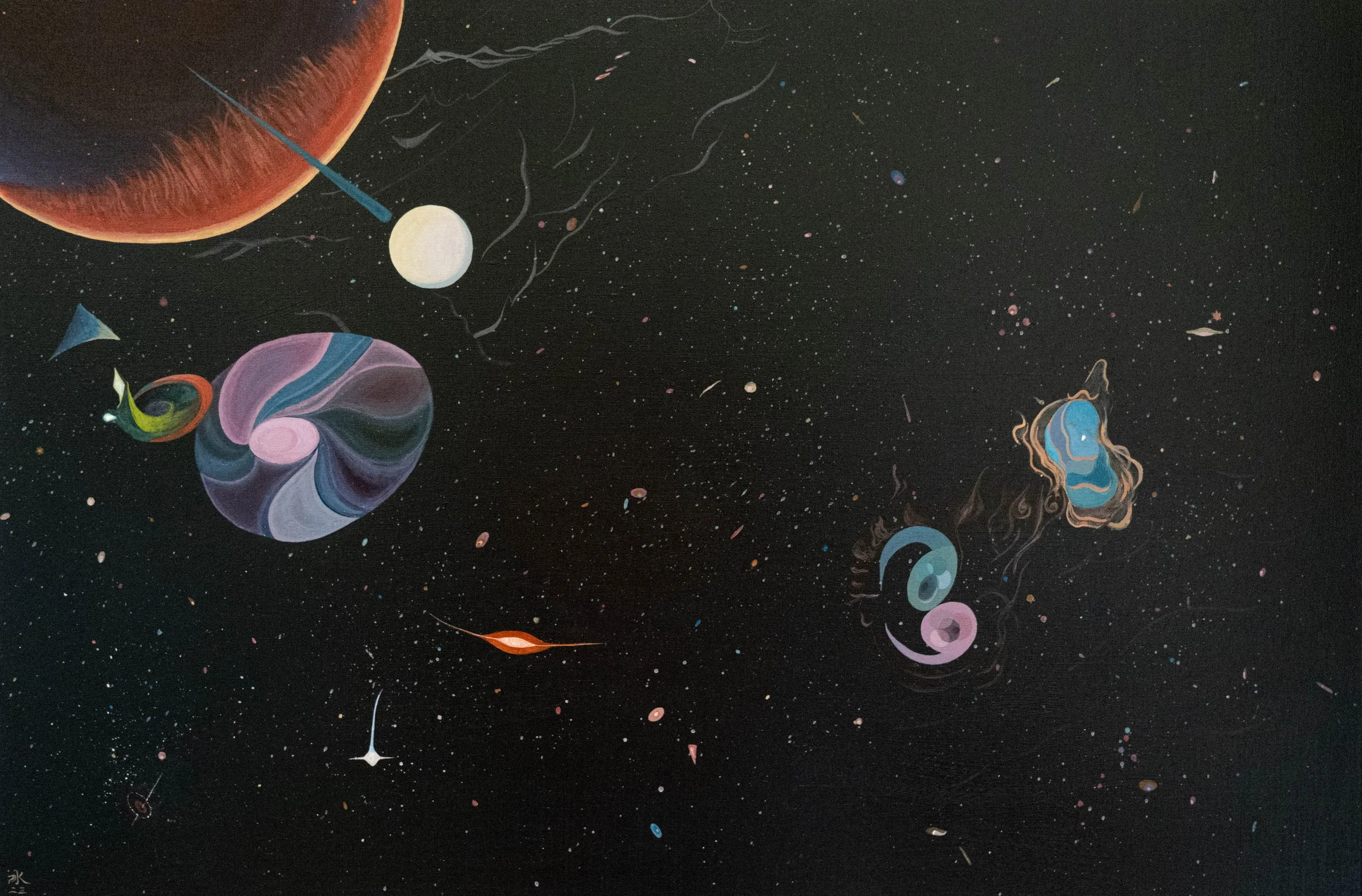
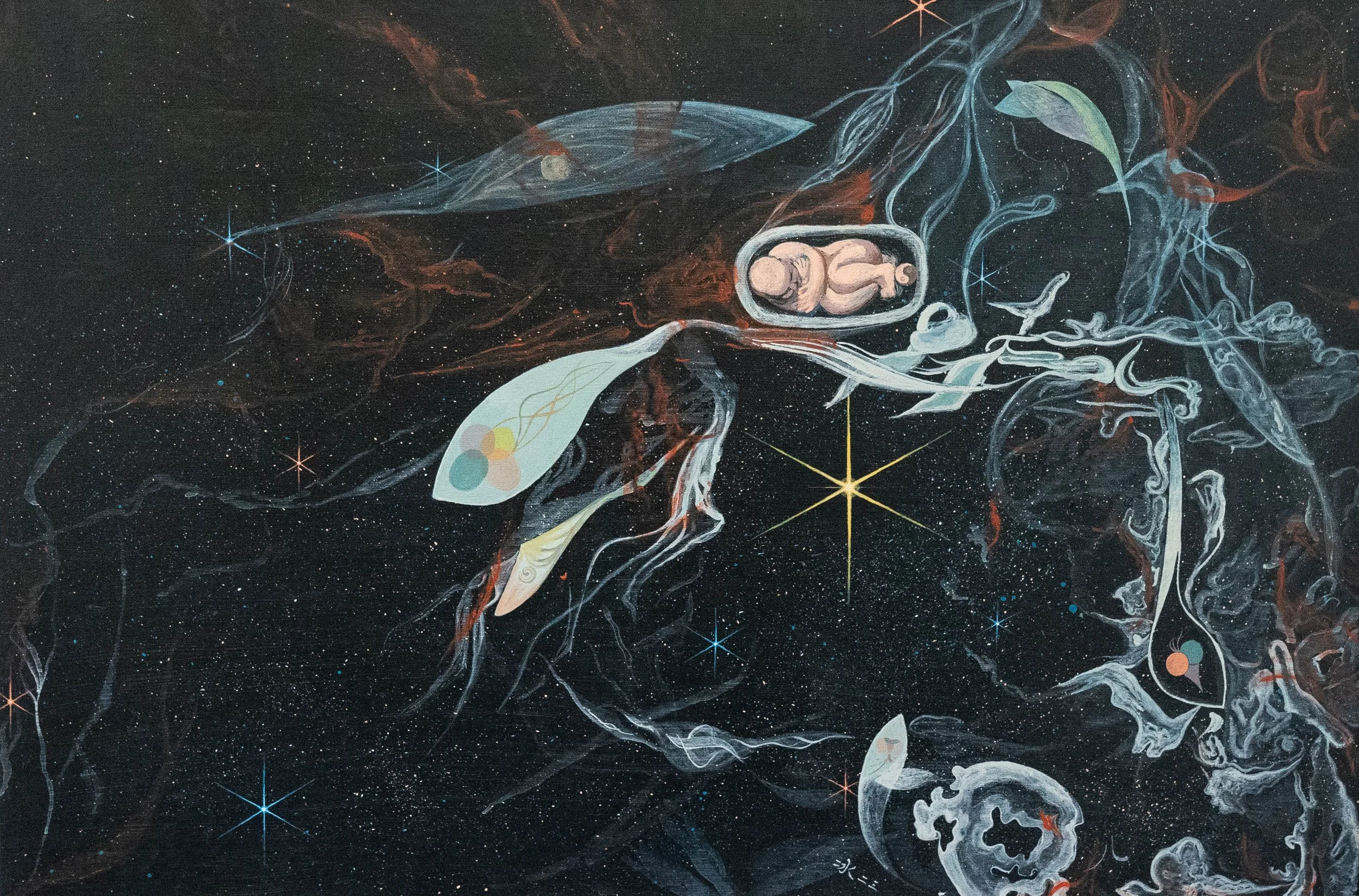
A recurring theme in your practice is the relationship between the individual and something infinitely larger. How do you approach scale in your compositions, and what do you hope viewers begin to question about their own lives when they encounter this relationship between Earth, humanity, and the cosmos?
I approach scale not only through contrasts between large and small, but also through the interplay of highly saturated and muted colors. Some elements in my paintings are immediately visible, while others reveal themselves slowly through closer looking. I want that movement between the obvious and the subtle to echo the experience of discovering our place within something much larger.
I am fascinated by the complexity and delicacy of the universe, and by the visual echoes I see between the microscopic and the cosmic—between the structures of cells and the patterns of planets and celestial systems. In my compositions, I bring these different scales into conversation.
I hope viewers begin to question what it means to be small within an immense universe. Does being small make us insignificant, or does it make our existence all the more extraordinary? For me, this relationship is an invitation to appreciate life as something intricate, interconnected, and precious.
In addition to painting, you design original jewelry and fine watch pieces, extending your creative practice into objects that combine artistic vision with precision and craftsmanship. What inspires you to work across these different mediums, and how does the design process change when you move from a two-dimensional canvas to a functional or sculptural object?
I find genuine joy in exploring different art forms. I love painting, but a canvas is two-dimensional and usually stays in one place. Working with sculpture, jewelry, and watches allows me to bring my ideas into three-dimensional space—or into something someone can wear and carry with them. I would also love to explore sound installations, photography, and new forms of sculpture. As an artist today, I have access to so many different mediums, and I am curious about what each one can make possible.
The design process changes because each medium asks different questions. On canvas, I think about composition, color, and the illusion of depth. With a sculptural or wearable object, I also have to consider how it feels, how it looks from different angles, and how it relates to the body or the surrounding space. A functional piece adds another consideration: how to make artistic expression and practical use work together.
But I find the essence of beauty universal. Form, color, proportion, and balance remain central to my thinking, whatever the medium. I am not trying to repeat a painting in another material; I want to discover how the same artistic sensibility can take on a different life.
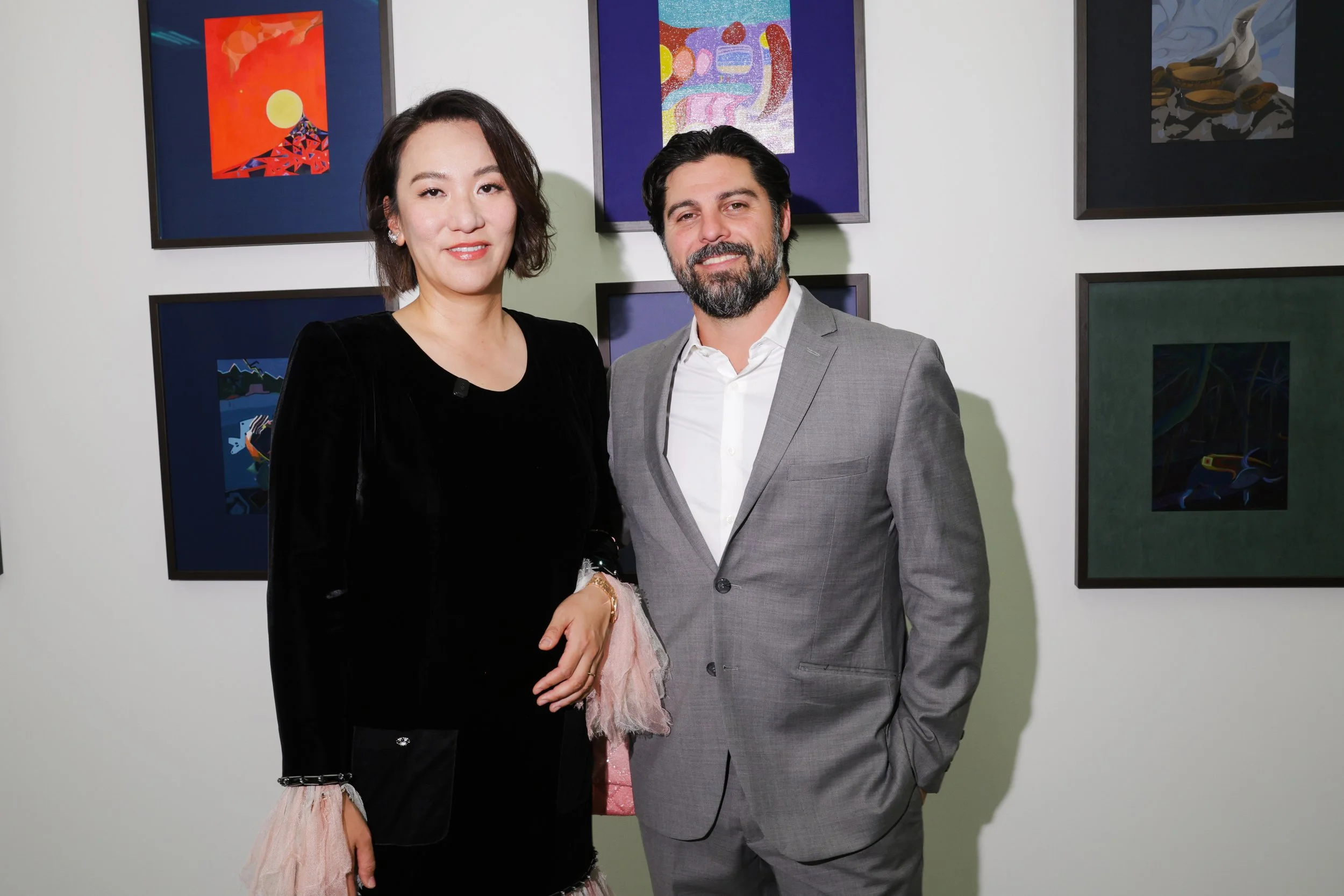
Photo by Kyle Goldberg/BFA
You have pursued painting alongside your professional career, making time for the studio whenever possible. What does your daily creative discipline look like, and how do you protect the freedom to experiment and take artistic risks while maintaining the structure and precision required in finance?
Balancing painting and finance is demanding, and my days are very full. Apart from sleep and sports, I have little downtime. Rather than separating the two into fixed blocks, I tend to move between them throughout the working day. When the market is quieter, I turn to my canvas. When I become physically sore from painting for too long, I return to my Bloomberg monitors.
I often read earnings-call transcripts over lunch, and I bring a sketchbook to AI conferences, where I sometimes sketch the people around me during quieter moments. My creative discipline is less about having a perfect routine and more about finding opportunities to work within the day I actually have.
Using time well is essential, but structure does not have to mean rigidity. I try to be disciplined about making room for art without deciding in advance what must happen on the canvas. That is how I protect the freedom to experiment: by being deliberate about showing up, while leaving the work itself open to discovery.
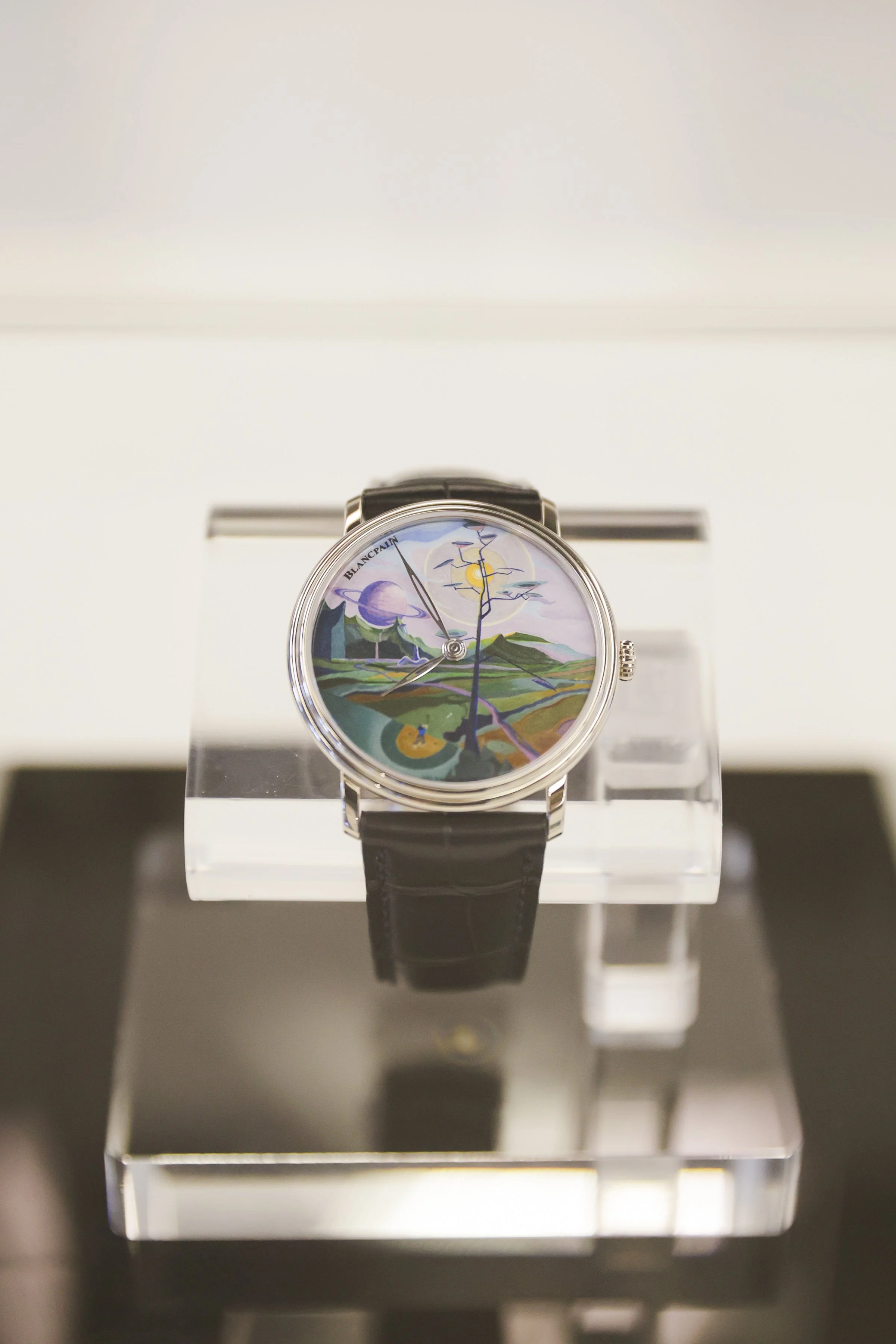
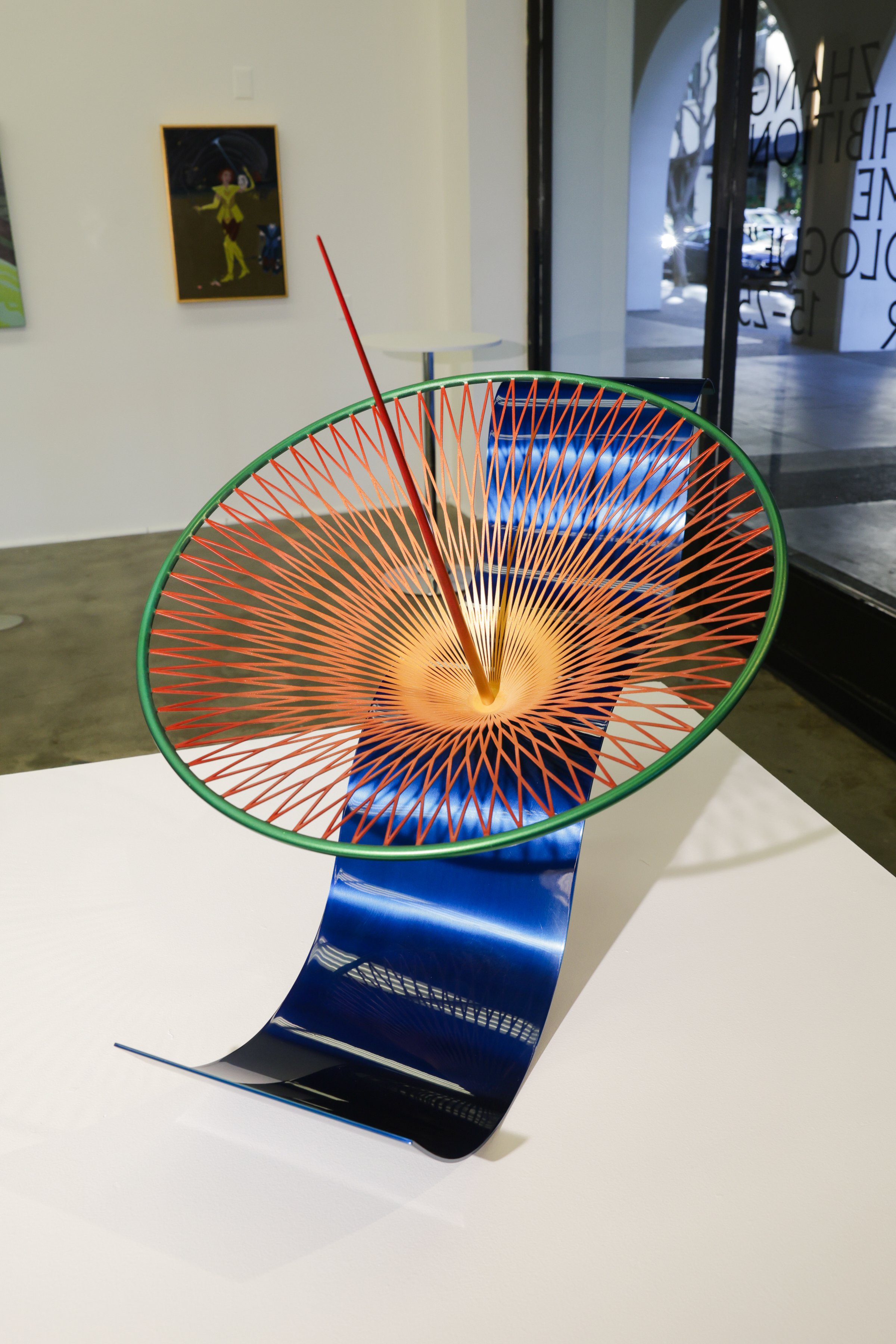
Photo by Kyle Goldberg/BFA
Spacetime Monologue marks the first presentation to date of your paintings, bringing a long-standing studio practice into public view. What does it mean to share this more personal side of your life with a wider audience now, and has preparing for this exhibition changed how you understand yourself or your work as an artist?
For the past five years, I have painted whenever I could find the time, without thinking very much about exhibiting. My attention was always on making one brushstroke, then the next. Preparing for Spacetime Monologue gave me the chance to step back and see those years of work together. I was surprised—and honestly quite amazed—by how much I had created.
It made me appreciate the power of compounding: how small, consistent efforts can grow into something substantial. I recognize that principle from investing. At an annual compounded return of 15%, an investment grows to approximately 16.4 times its original value over twenty years. Painting cannot be measured in the same way, of course, but the analogy resonates with me. Each brushstroke, each experiment, and each hour in the studio adds to something that may not be visible until much later.
Sharing this work feels personal because I am revealing a part of my life that has largely been private. The exhibition has also helped me recognize that I have been building an artistic practice all along, even when I was simply concentrating on the next brushstroke.
As you continue to explore the connections between art, fashion, finance, and the mysteries of existence, what questions are you most interested in pursuing in your next body of work? What do you hope audiences will ultimately take away from Spacetime Monologue and carry with them long after leaving the exhibition? Will you take your exhibitions to other cities in the United States?
I want to continue exploring the questions that have shaped my work so far, but with greater depth. Rather than moving away from these themes, I want to look more closely at the relationships between the individual and the universe, between what we can observe and what remains unknown, and between our brief lives and the vastness of time.
I hope audiences leave Spacetime Monologue with questions rather than fixed answers—questions they can carry into their own lives, perhaps prompting them to reconsider things they have taken for granted. If the exhibition encourages someone to look differently at themselves, their relationships, or their place in the world, that would be meaningful to me.
Yes, I intend to bring my work to other cities in the United States, as well as to Europe and Asia. I am excited to see how these deeply personal questions might resonate with people across different cultures and experiences. GR8T
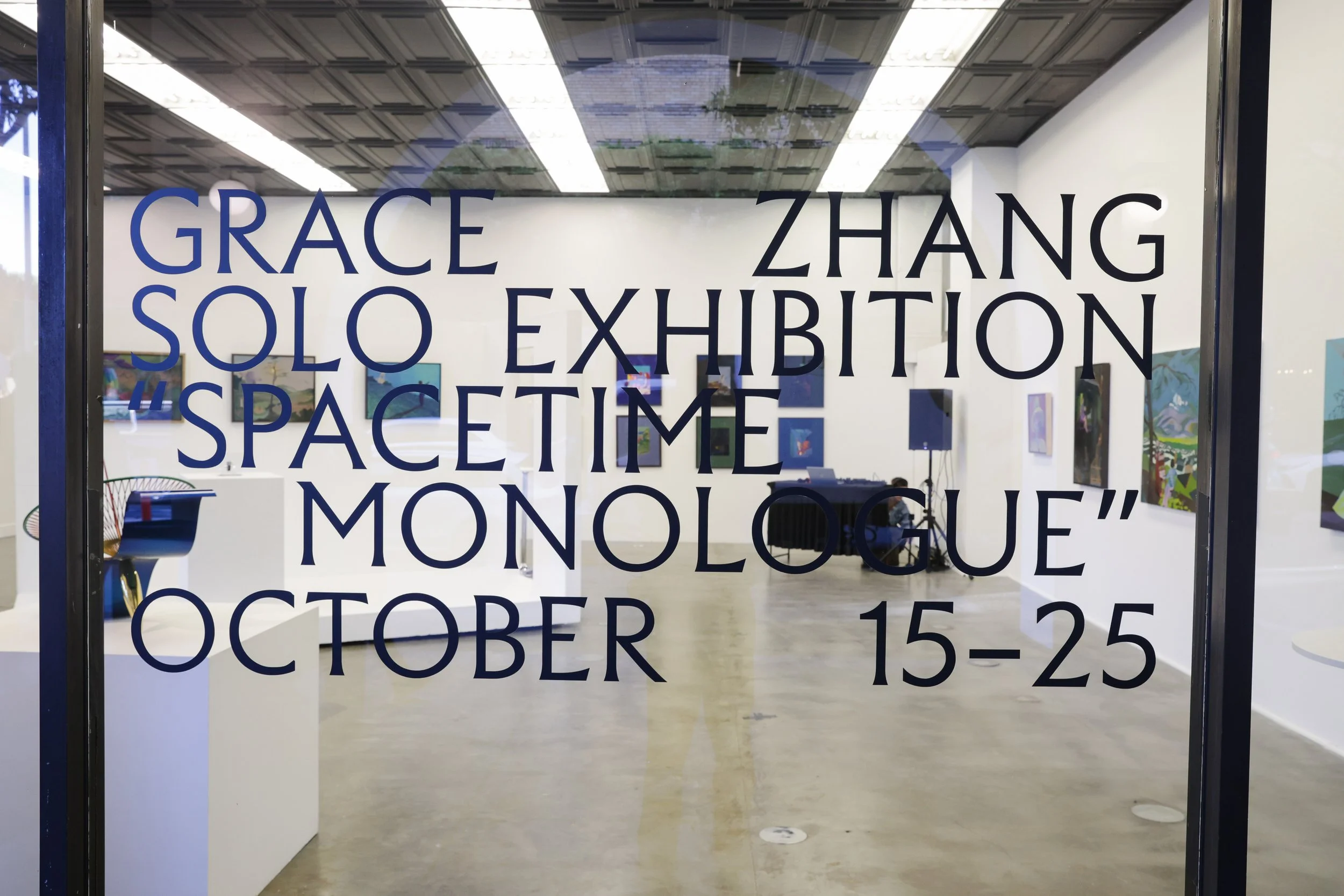
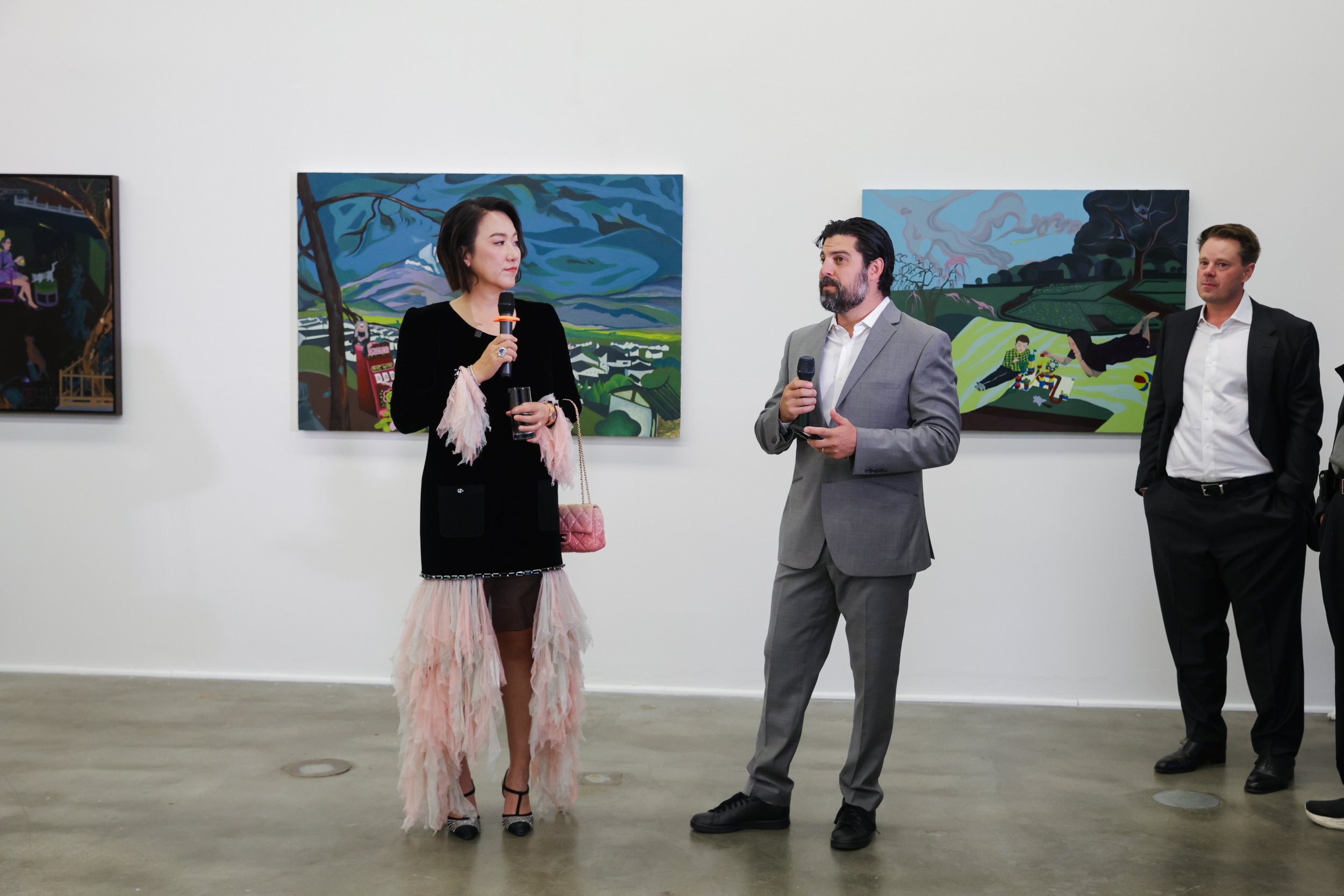
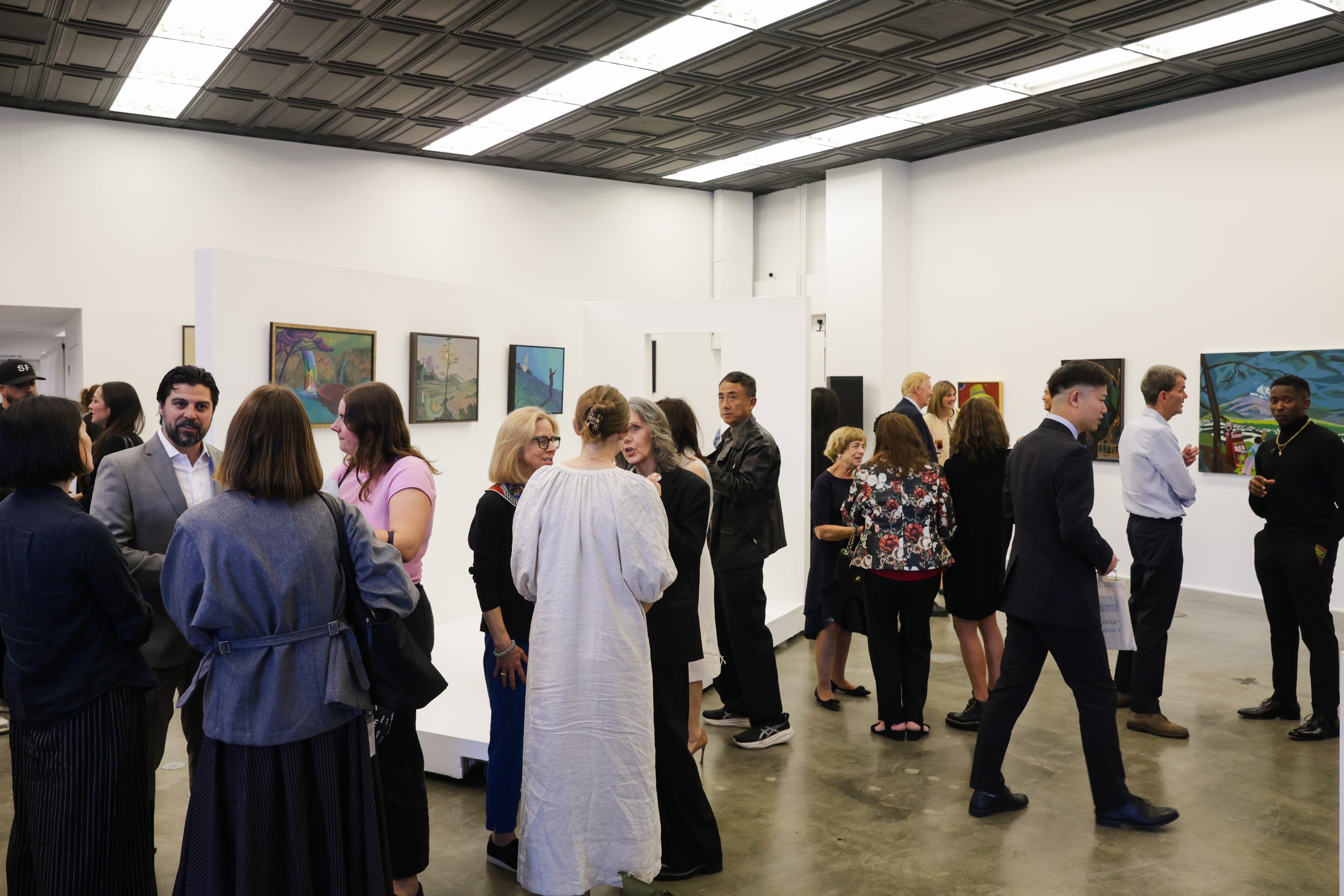
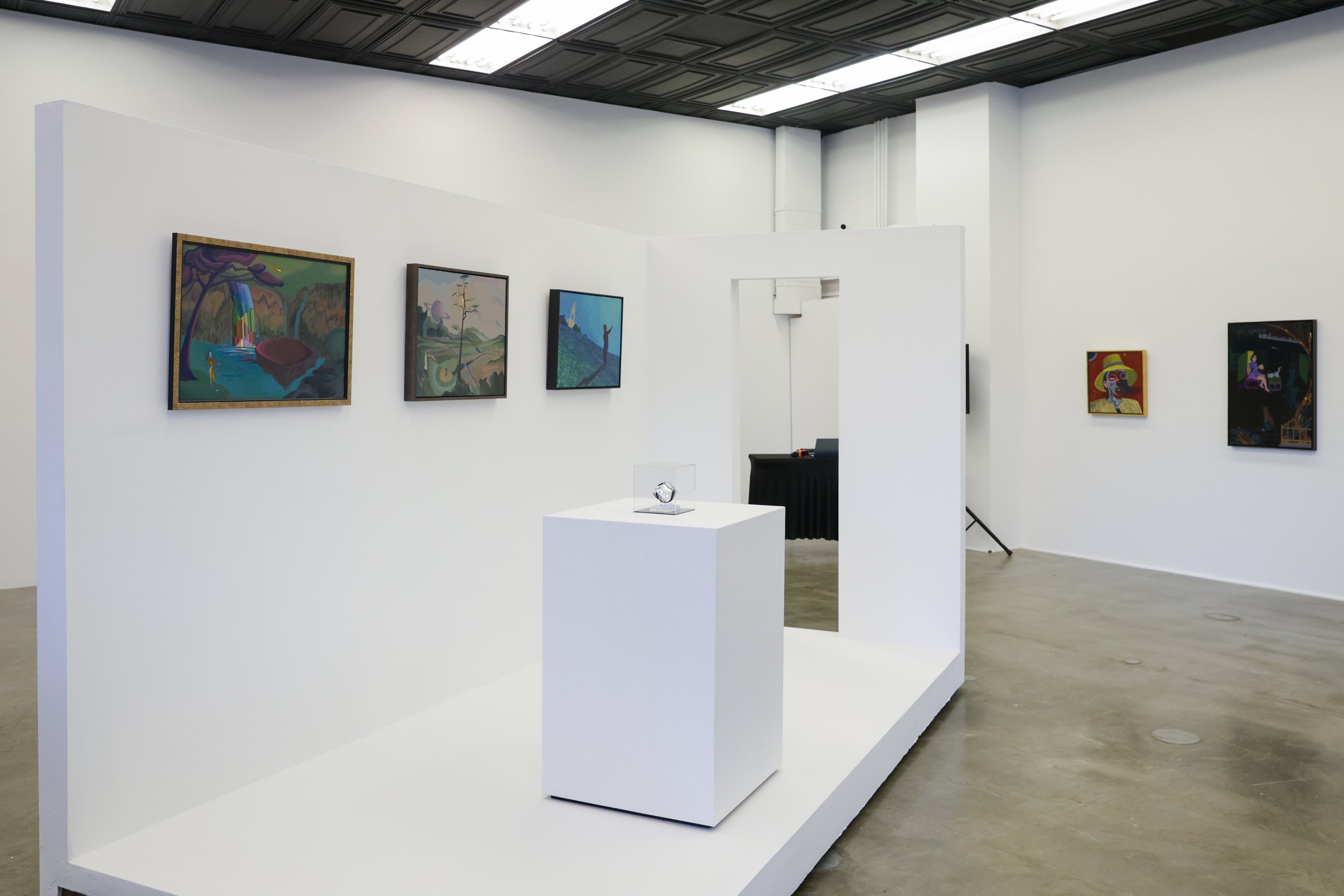
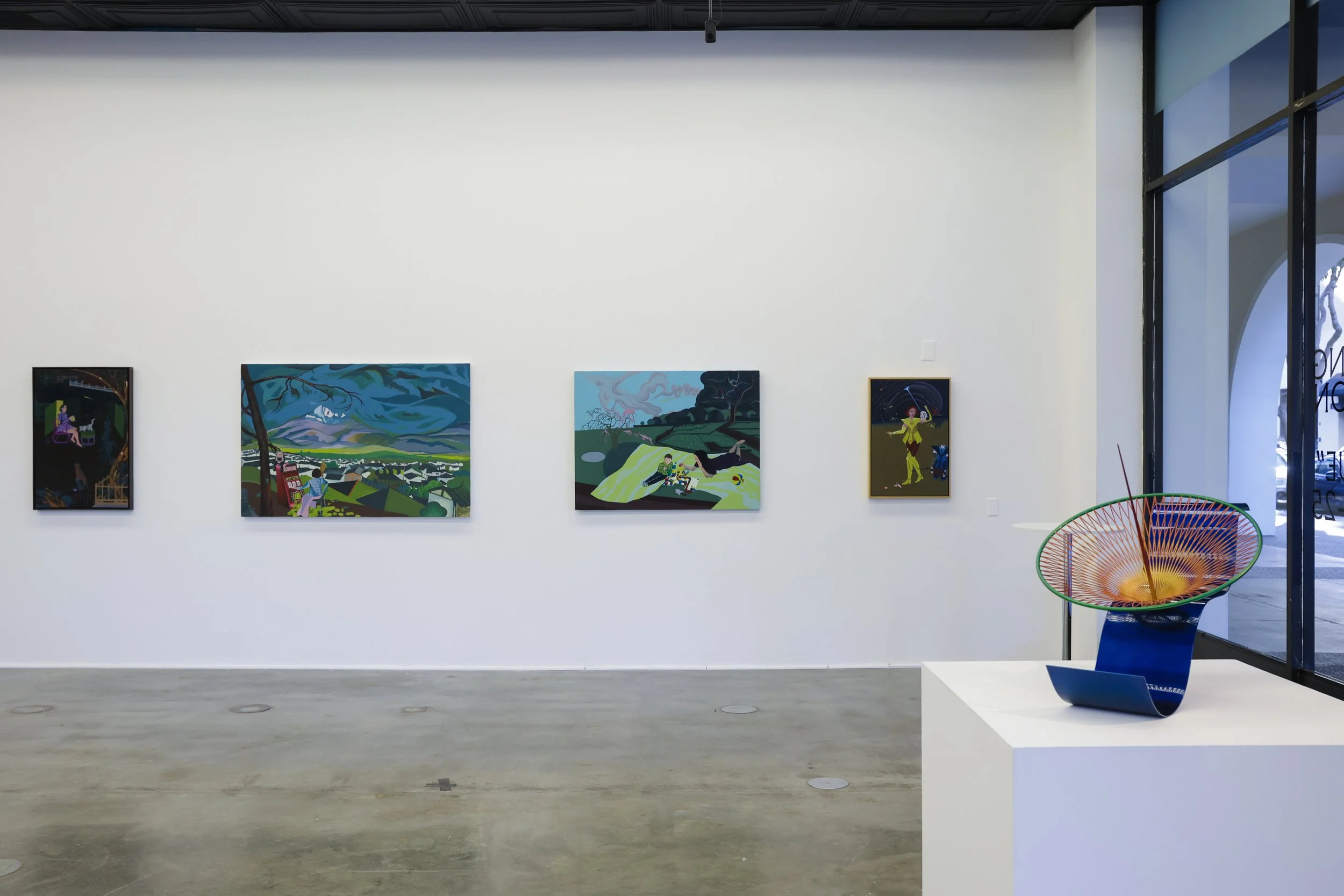
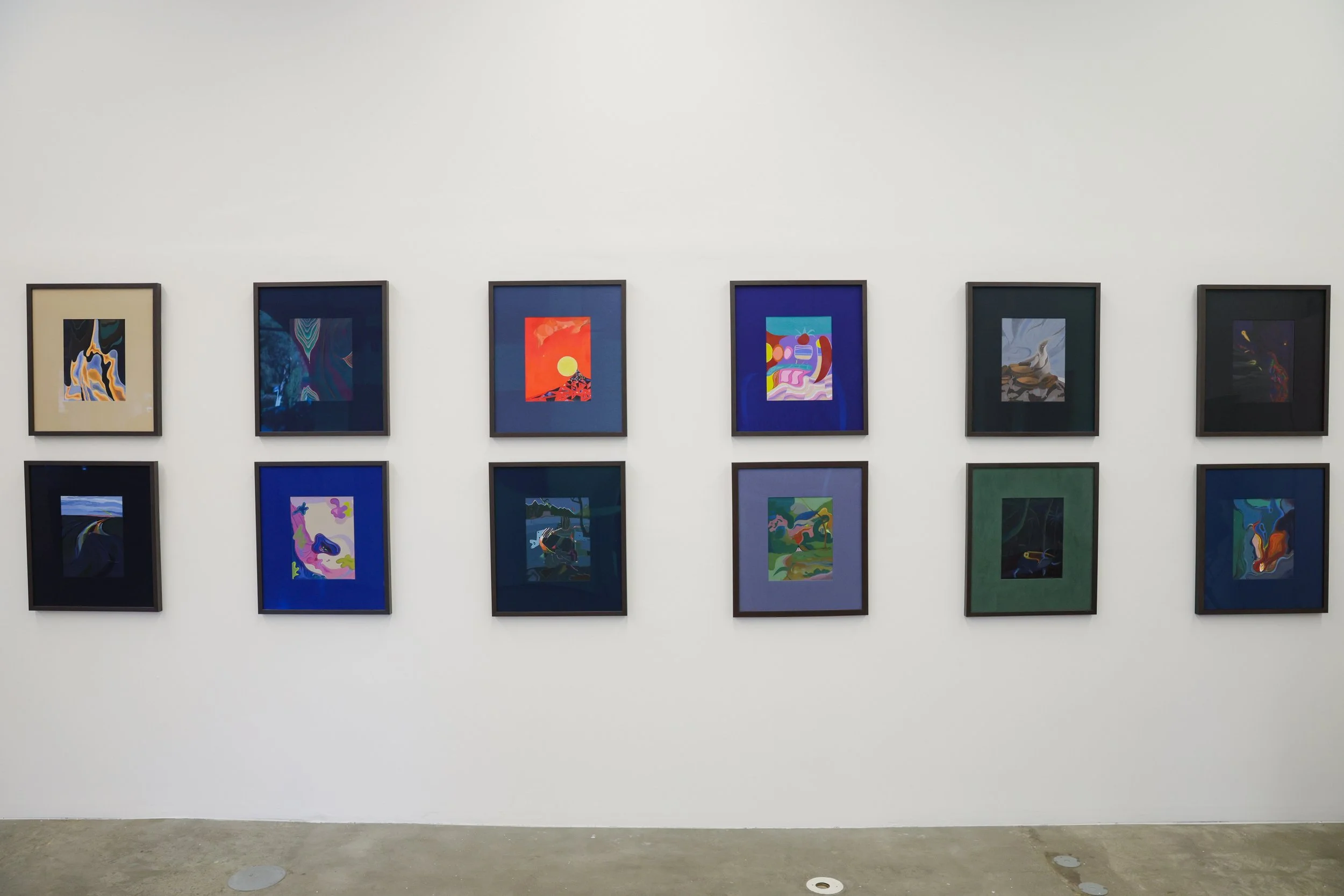
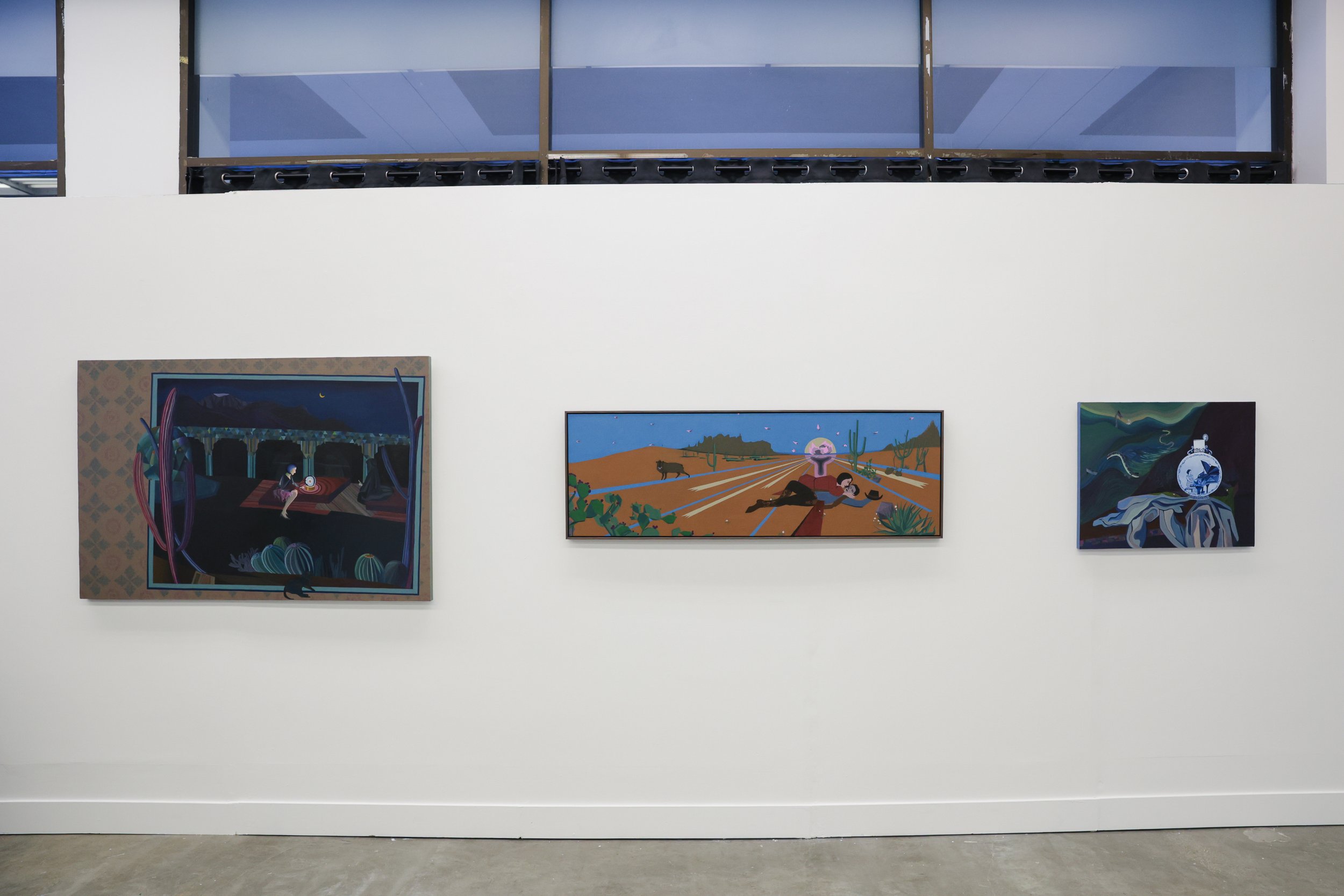
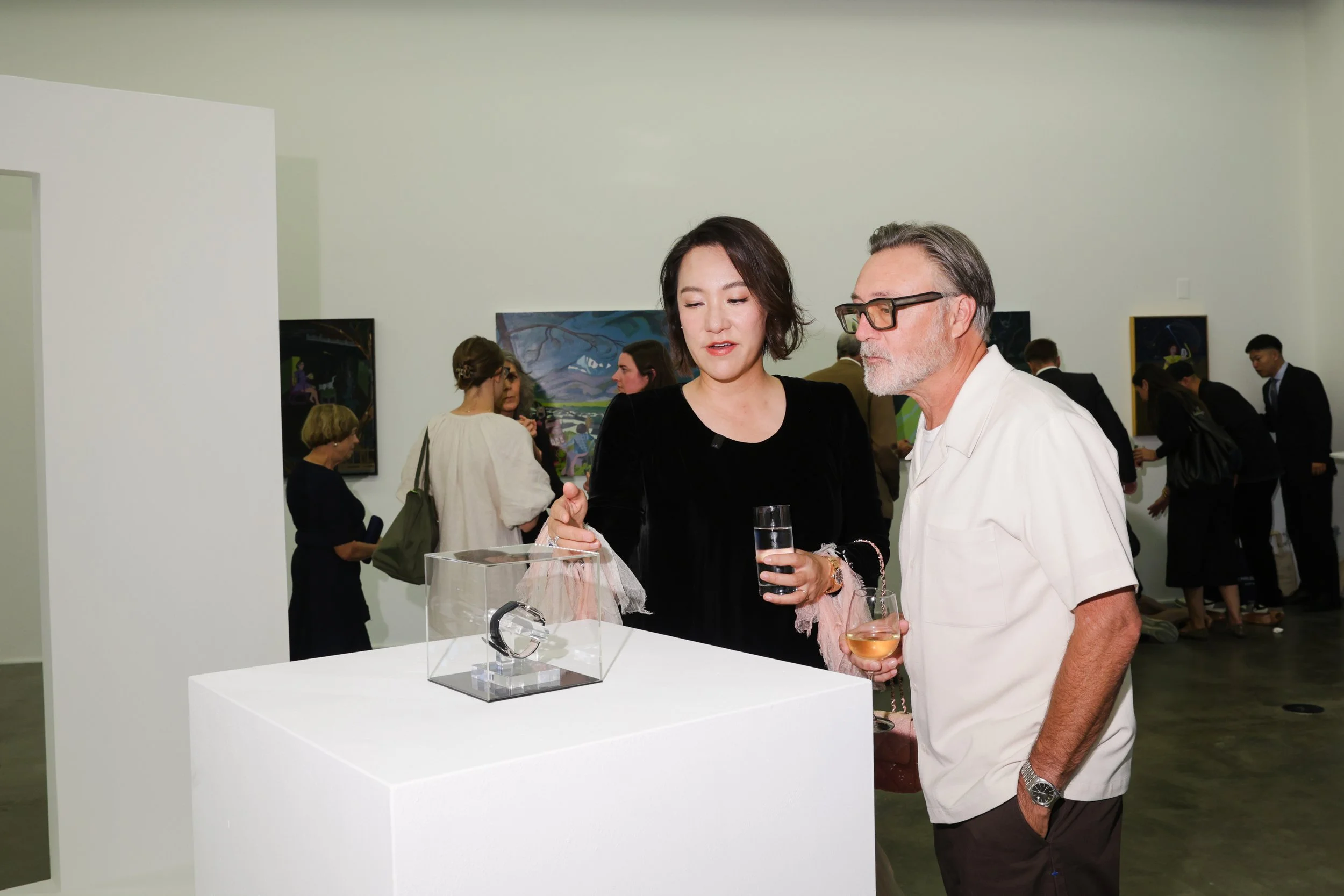
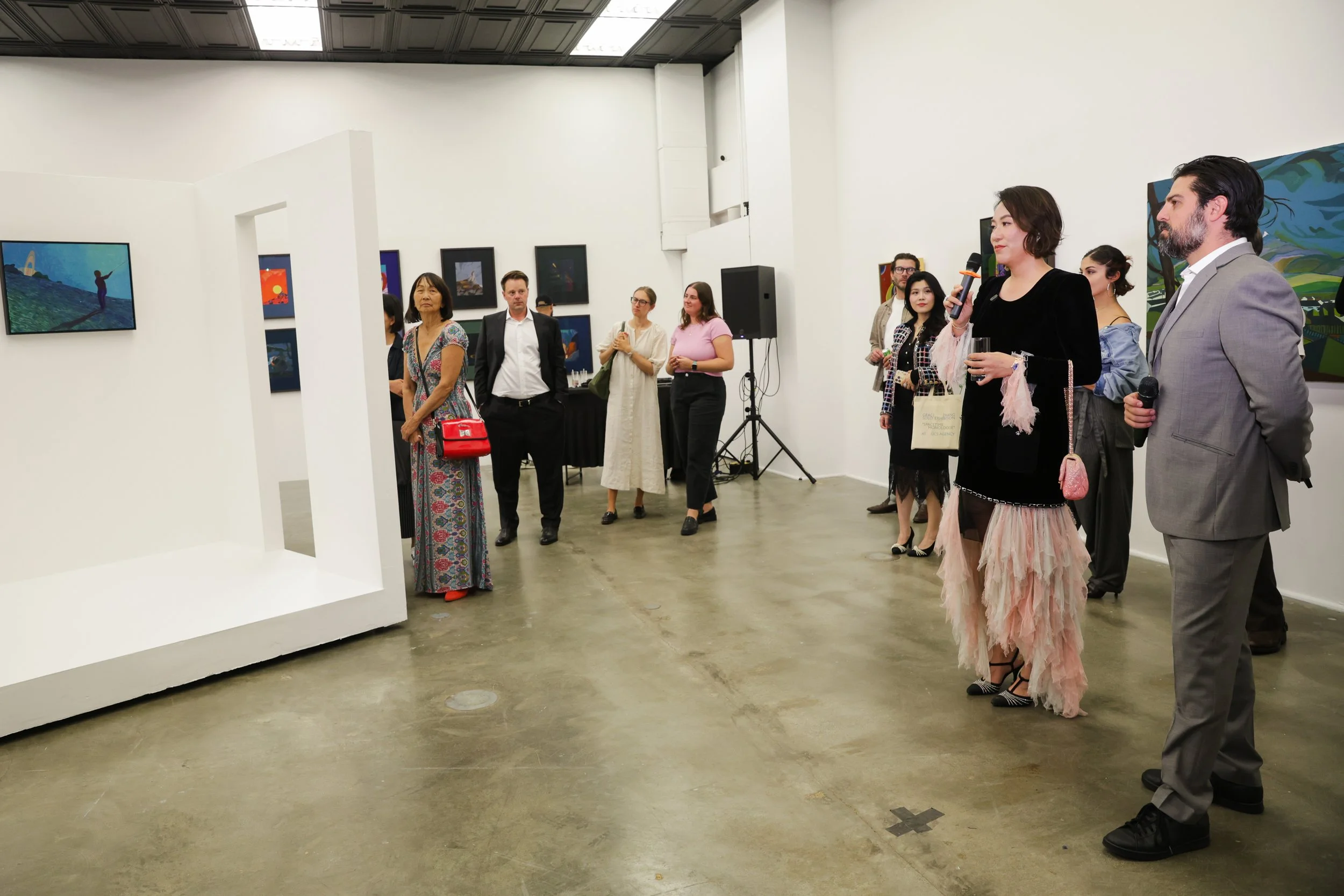
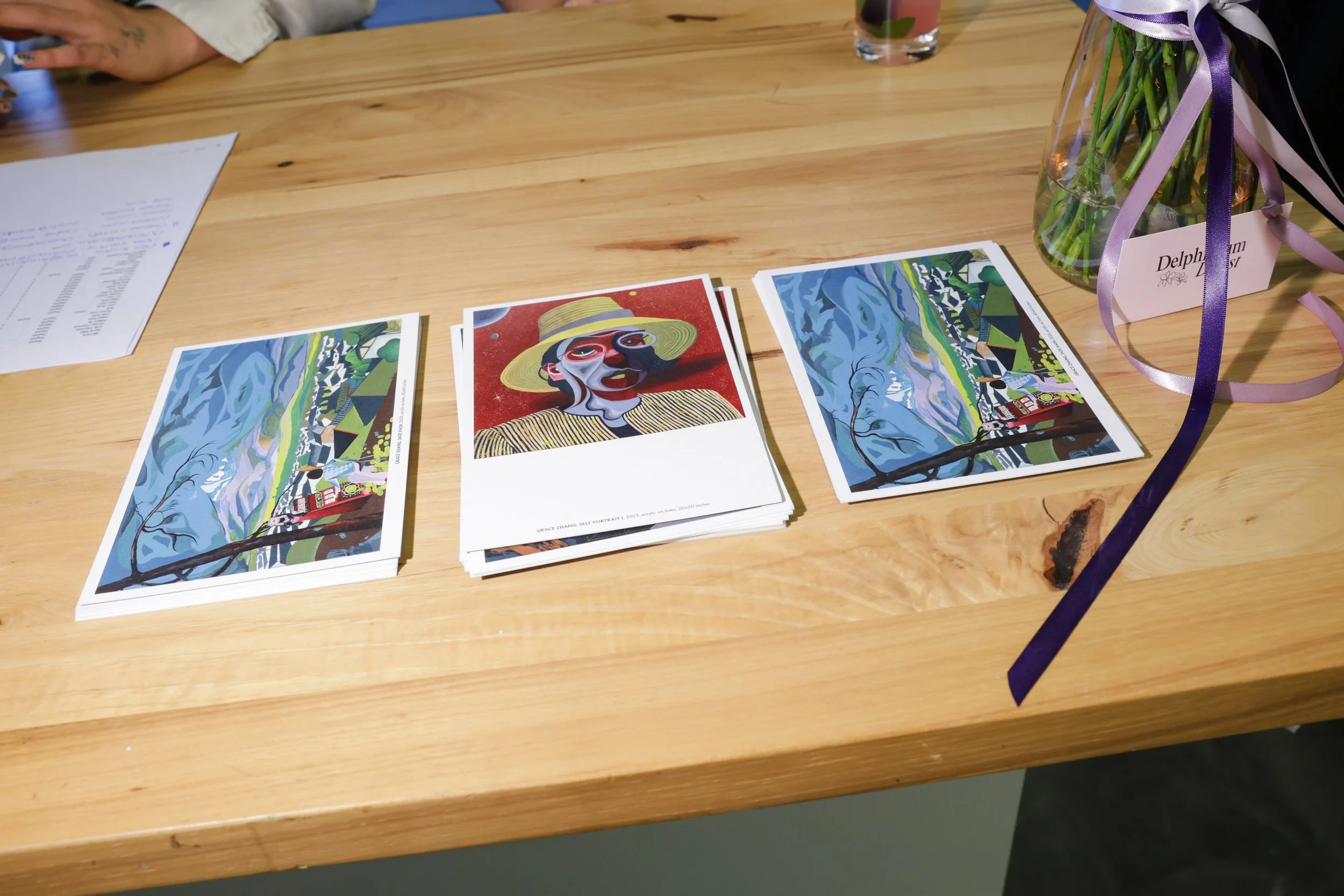
Photo by Kyle Goldberg/BFA