
Digital Cover: ADO - The Voice of Defiance
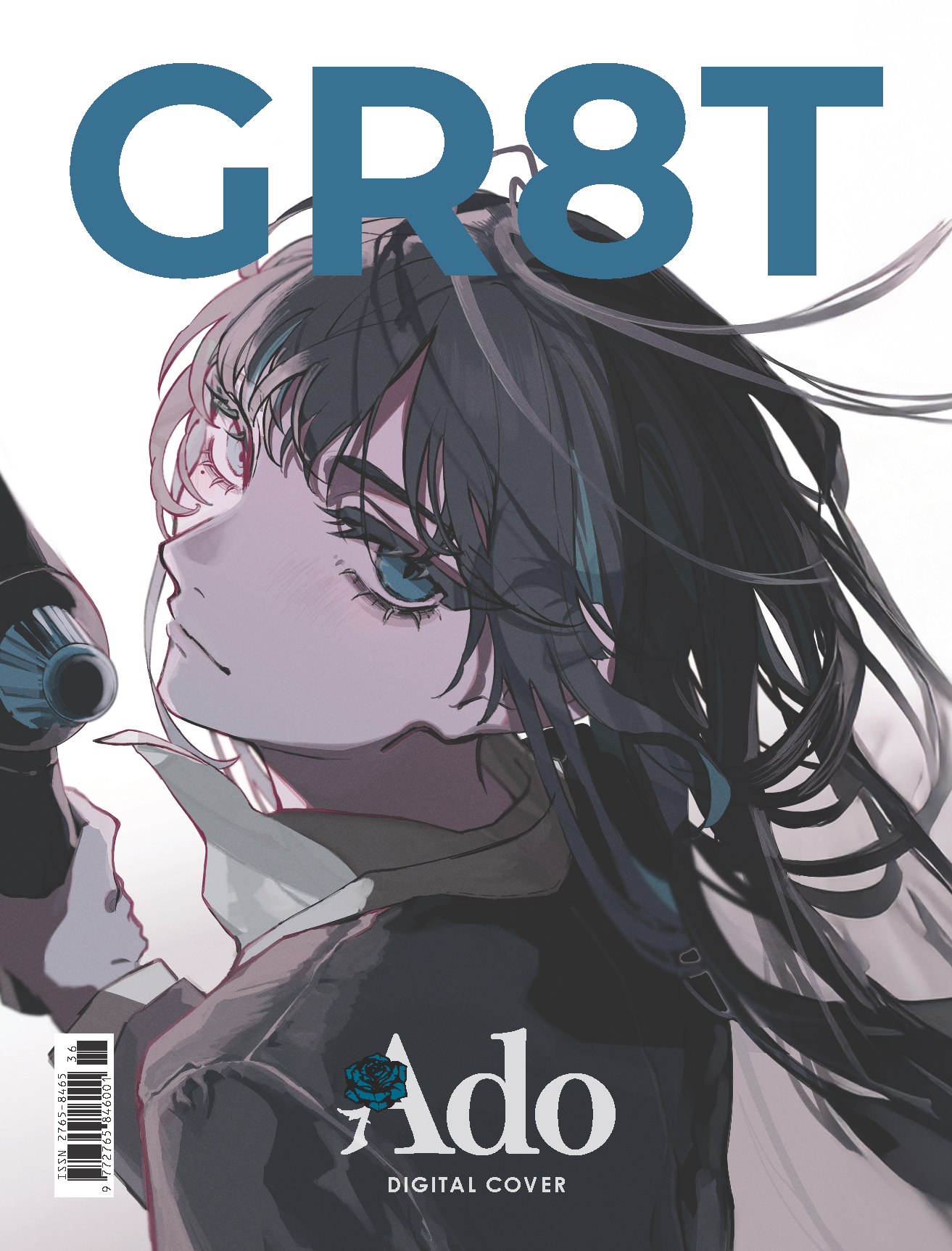
Talent: ADO
Photos: Viola Kam (V'z Twinkle)
Managing Editor: Chrissy Wang
Development: Joe Trung Nguyen
EIC + Words: Anthony Vu Cao
A voice that fractures silence and reconstructs it into something visceral, Ado does not simply enter the global music conversation—she disrupts it. Emerging from the digital underground of Japan, she has redefined what it means to be an artist in an era where anonymity can be as powerful as visibility. With a presence built not on image but on raw, unfiltered emotion, Ado channels a sonic intensity that feels both deeply personal and universally resonant.
Catapulted into the spotlight with her explosive breakout “Usseewa,” Ado became a generational voice—unapologetic, confrontational, and impossible to ignore. Her music moves between chaos and control, weaving together elements of J-pop, rock, and theatrical storytelling, all underscored by a vocal delivery that is as haunting as it is electrifying. There is a tension in her work—a push and pull between restraint and release—that mirrors the complexities of modern identity.
For GR8T Magazine’s Digital Cover, Ado stands as a symbol of artistic evolution in its purest form. She is not bound by tradition, nor does she seek validation through convention. Instead, she builds her own world—one where sound becomes a conduit for rebellion, vulnerability, and transformation. In an industry often defined by visibility, Ado reminds us that true artistry transcends the seen—it is felt, lived, and unmistakably heard.
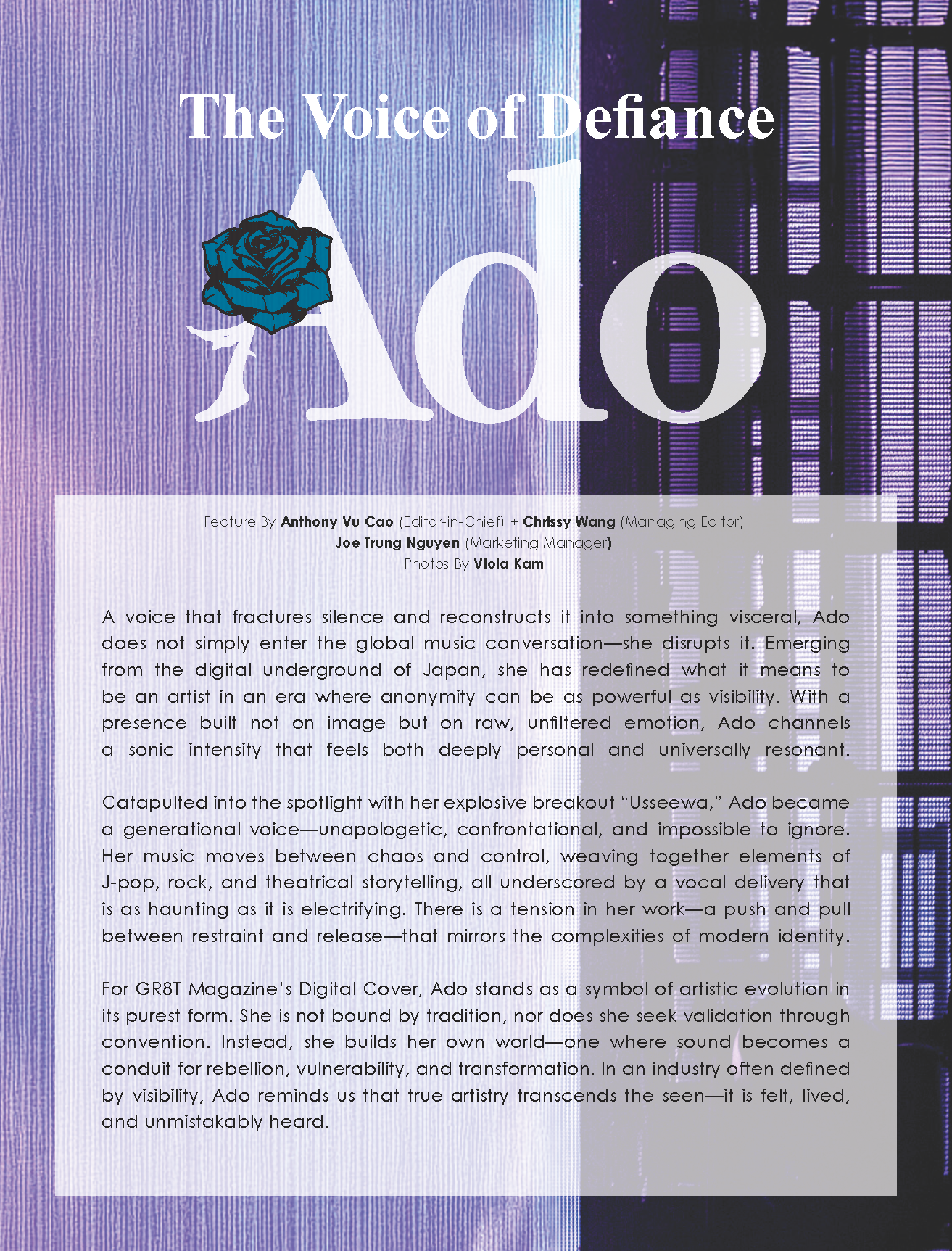
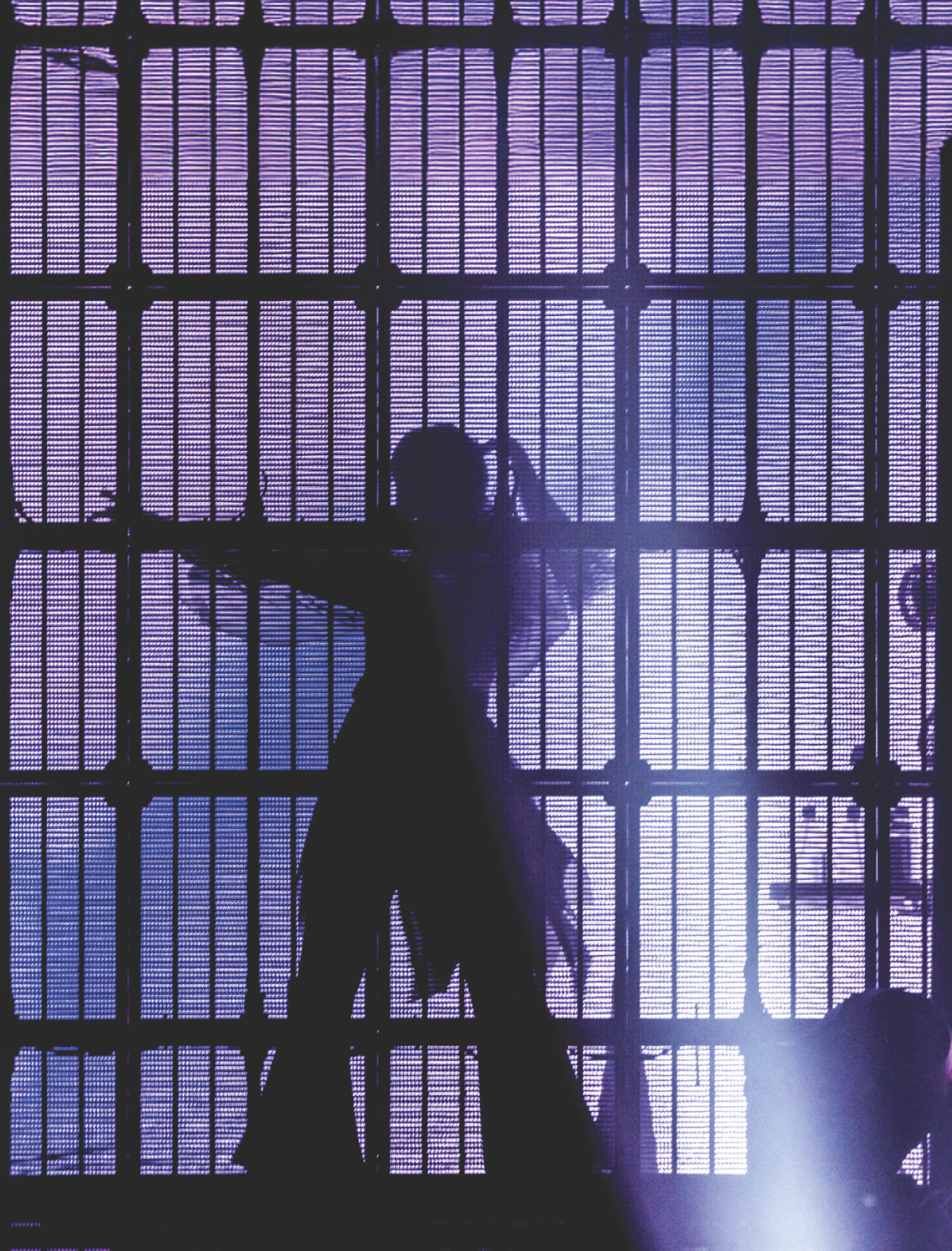
Your world tour reached five continents and nearly half a million fans. When you reflect on that scale, what does it mean to you personally to see Japanese music resonating with such a global audience?
I understand that the tour attracted a huge turnout and was even covered by the Japanese media. As a Japanese person, I’m proud to have achieved this result, and I hope it will serve as a catalyst toward positive change for Japan in a global scene.
Many fans see your success as part of a larger moment where Japanese pop culture—music, anime, and fashion—is expanding internationally. How do you see your role in that cultural movement?
I hope this world tour will help me expand my horizons even further. I suppose you could say that I’ve achieved something, but rather than feeling like “I did it!”, what I feel right now is simply that so many people came to my concerts, and that I was there with Ado’s songs—that’s all. So, I’d like to take this opportunity to thank everyone around the world once again. I hope to continue growing so that I can deliver even more amazing performances, and I look forward to seeing you all again.
Becoming the first Japanese artist to sell out arenas like Crypto Arena and Prudential Center is a historic achievement. Did standing on those stages change the way you think about the global future of J-pop?
While I am proud to have achieved this result as a Japanese person, I also hope that it will serve as a catalyst for positive change in Japan.
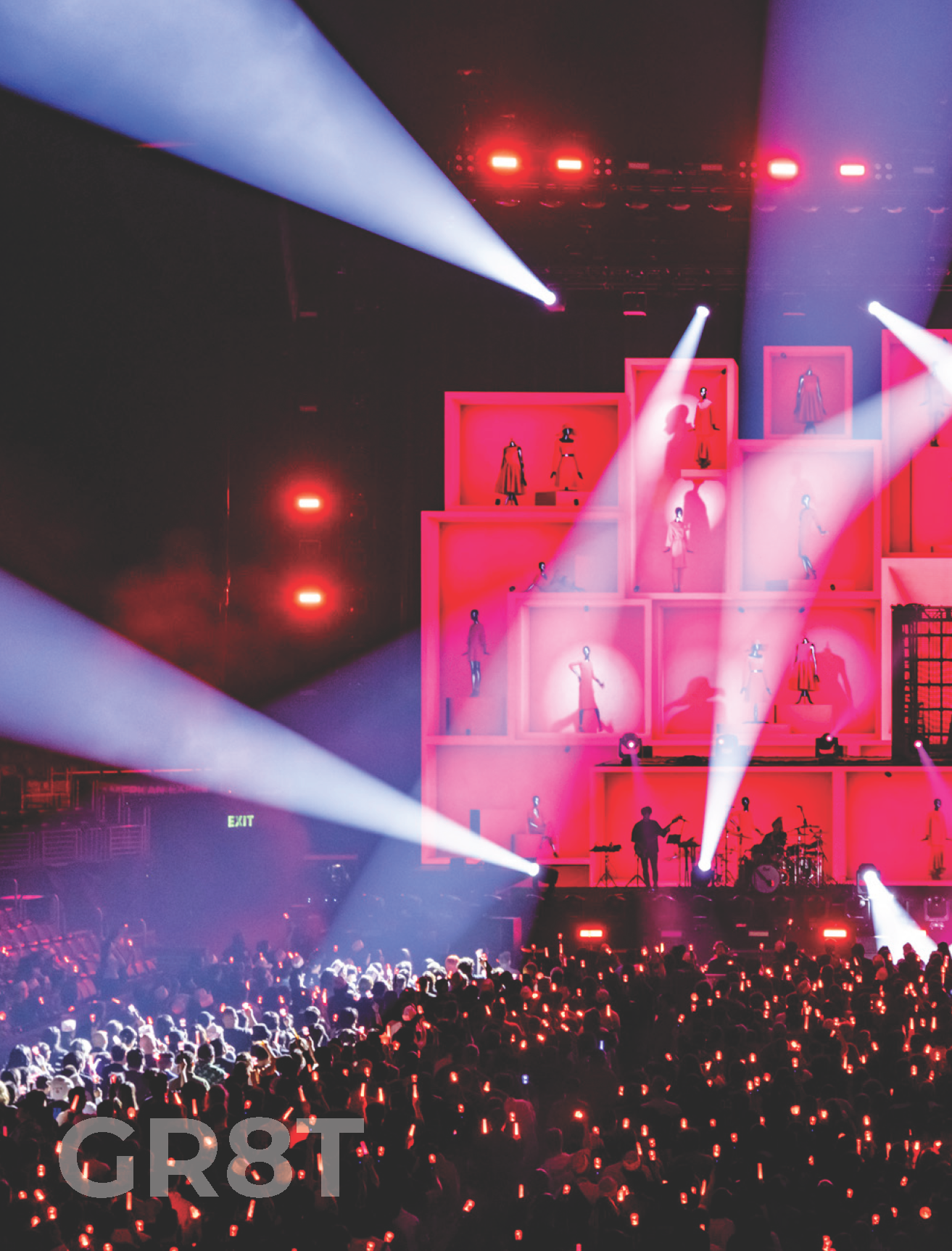

Performing 34 shows across multiple continents is both physically and creatively demanding. How did the experience of such a large-scale tour shape you as a performer and storyteller on stage?
This tour truly allowed me to experience a wide variety of cultures. I heard many different languages firsthand and met so many wonderful people along the way. Traveling to various countries outside of Japan requires both physical and mental stamina. Through this tour, I not only built up that stamina but also developed an interest in all sorts of things. It made me want to see and learn more about the diverse cultures of different countries and regions. All of this has become a wonderful asset in my life.
With record-breaking attendance and merchandise sales across many venues, your 2025 tour clearly strengthened your global fan community. How do you hope this milestone influences the next chapter of your career and the future of Japanese artists performing internationally?
I cannot speak for other artists, but my current dream and clear goal is to win a Grammy Award.
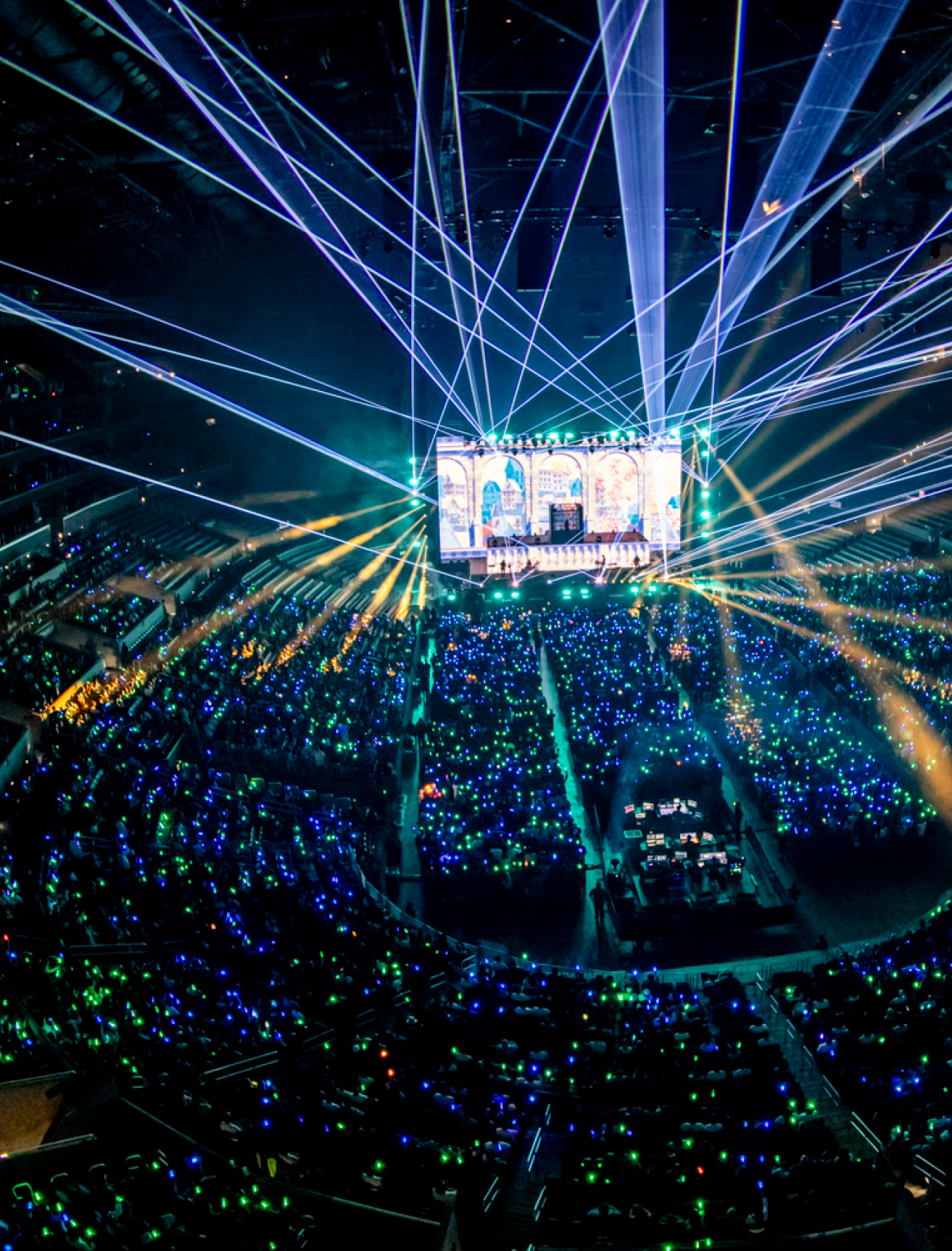
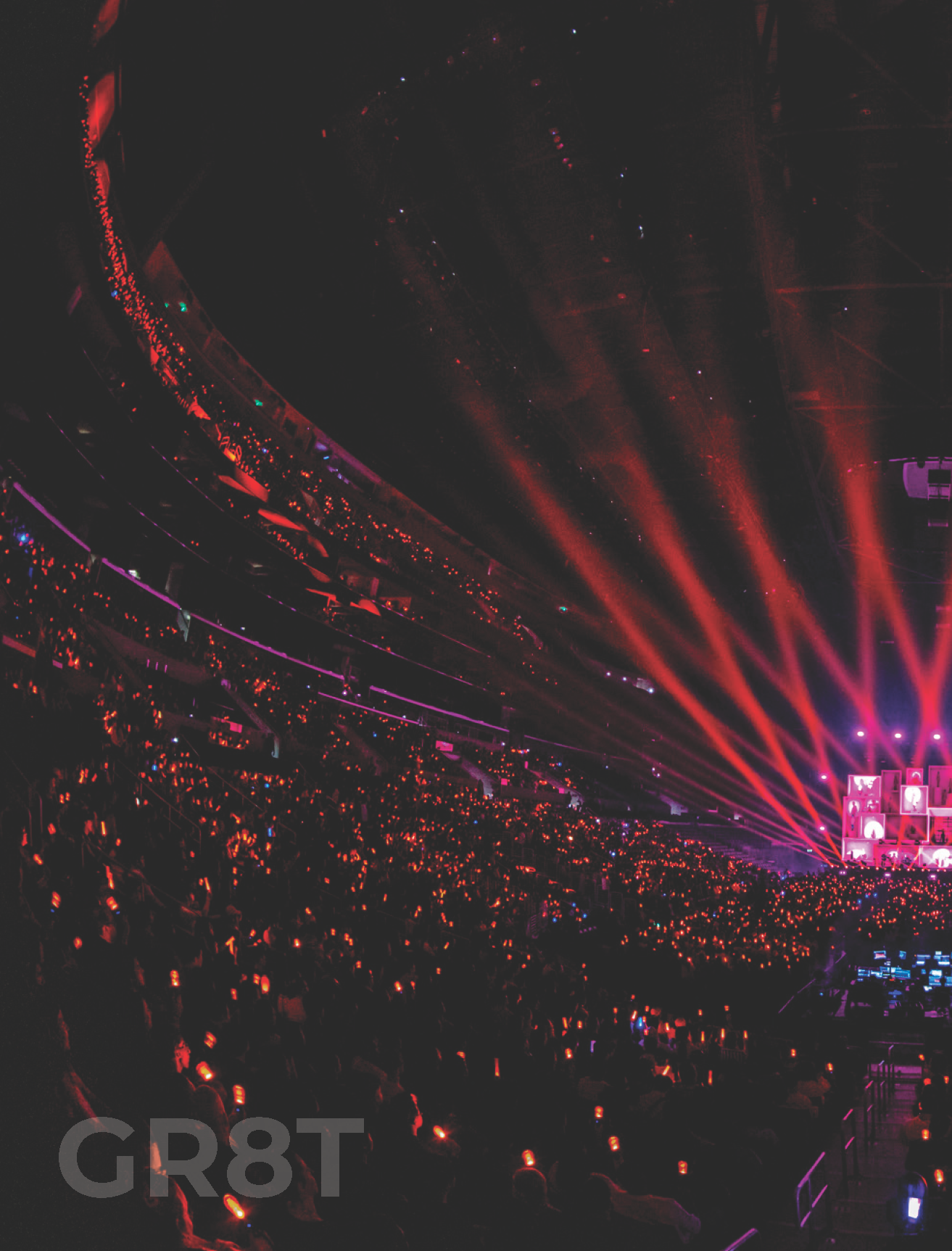
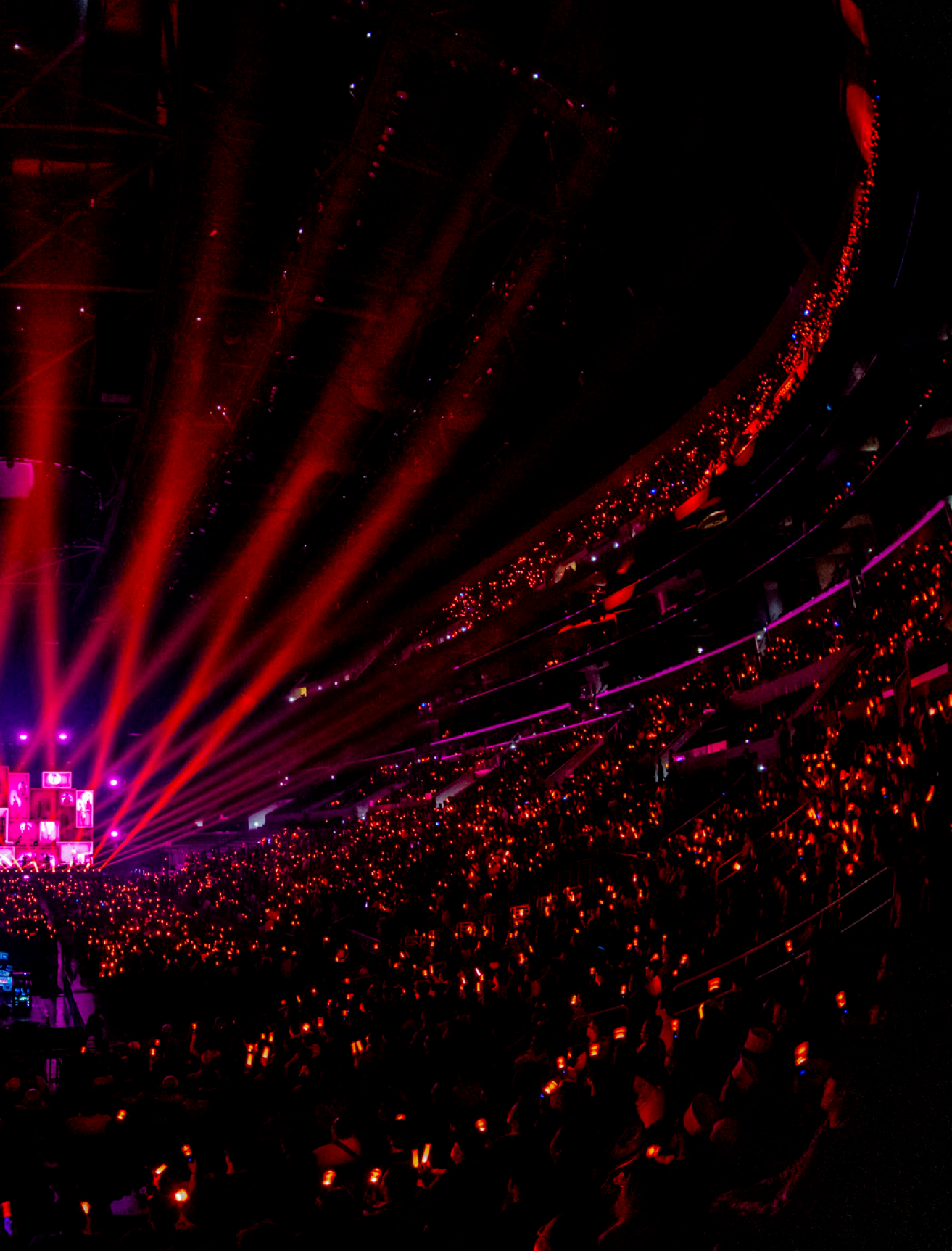
You are headlining Zipangu in May at the iconic Rose Bowl; which is slated to be the largest Japanese music event in the U.S. - What can we expect from your full 60-minutes performance?
I’ve performed live in LA before, but getting to play at a festival this time is incredibly exciting. It’s truly an honor to headline a festival in LA featuring only Japanese artists. This is the first time for “Zipangu,” so I don’t know what to expect, but precisely because of that uncertainty, I’m really excited to be part of this new beginning.
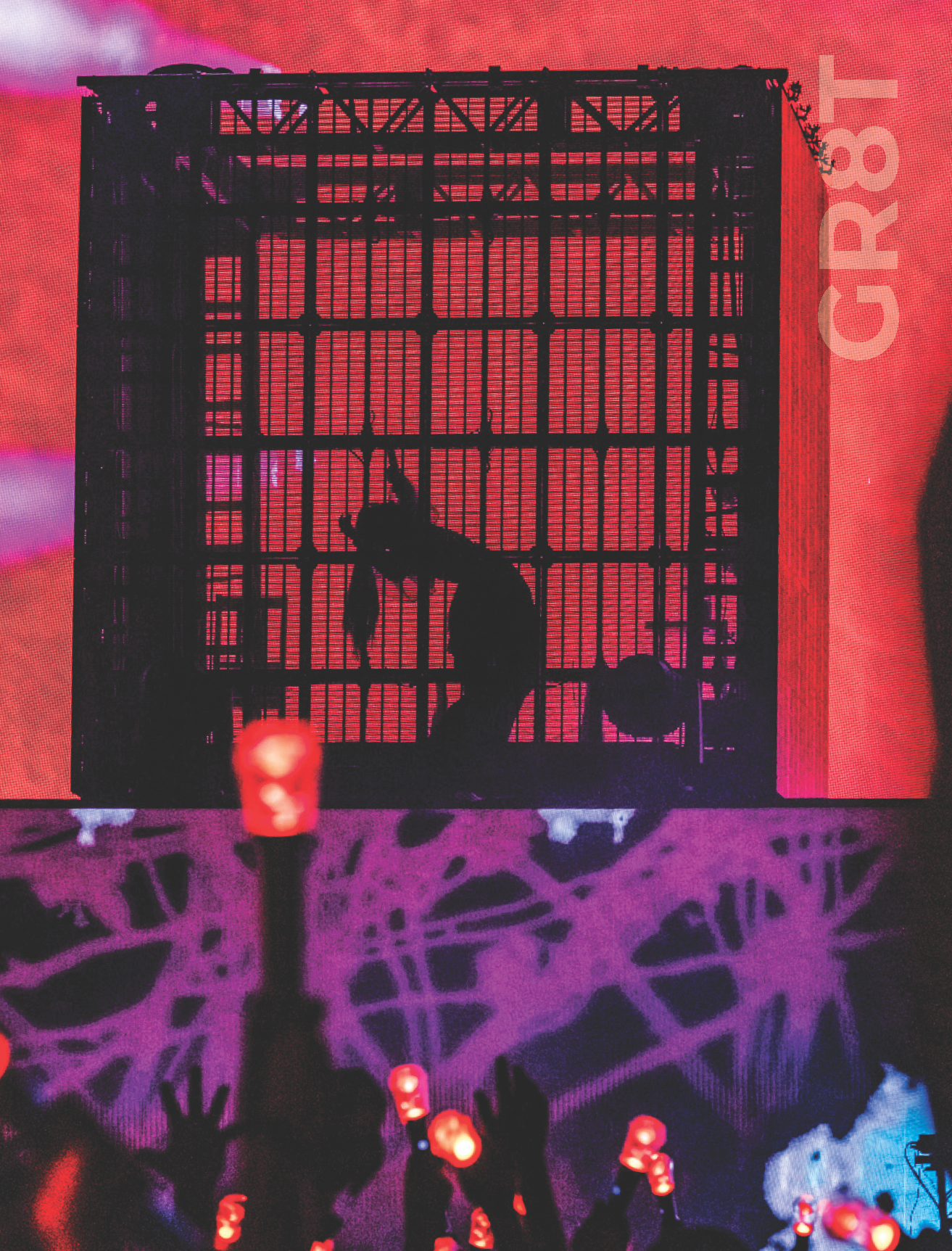
Since your breakout with Usseewa, your career has grown rapidly. How has your vision for your future as an artist evolved?
The name “Ado” comes from the Kyogen term “ado” (supporting role). I hope to be a supporting character in the lives of my fans/listeners—someone who supports them and guides them toward happiness. During my world tour, as I shared moving moments with the fans around the world, there were many times when I truly felt this anew. That is why I intend to continue and stay true to “Ado’s” philosophy moving forward.
Are there artists, genres, or creative fields you hope to explore or collaborate with in the future?
I’d like to try and explore songs from various genres.
Looking ahead, what kind of legacy do you hope your music will leave for the next generation of artists and fans?
I am truly grateful to have been able to fulfill so many of my dreams and aspirations. However, both as an artist and as a person, I intend to continue doing my very best to fulfill my role as Ado—playing a supporting role, helping to add color to their lives, and guiding them toward happiness.
Your voice carries a powerful emotional intensity. What motivates you to continue pushing your vocal and artistic boundaries?
When I sing, I place great importance on “emotion,” and I cherish the negative aspects—such as the anger that arises from sadness. For example, I’ve drawn energy from the anger and sadness I feel when someone says something hurtful to me, when my way of thinking is dismissed, or when I think, “I hate this world.” I’ve fueled my work with the energy born from that inspired “anger”—the desire to “shine in a different, wonderful world, a new world.” I believe that anger and sadness are among the most powerful emotions, so I think this is what drives me.
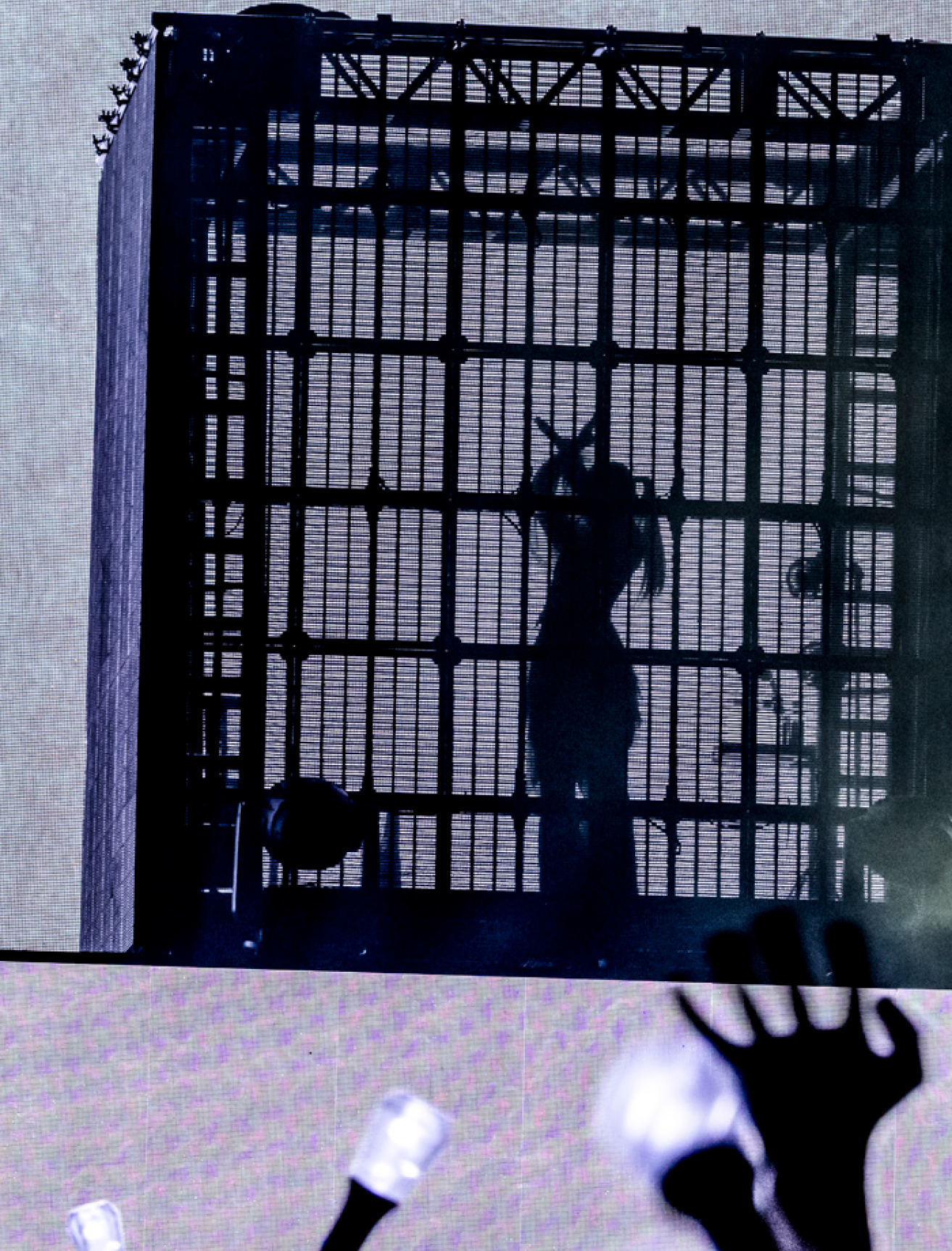
In moments when creativity feels difficult, what helps you rediscover your passion for music?
I usually go to sleep, then think about it in the morning, or watch my favorite TV shows or movies to take my mind off things, and try to think about it again after some time has passed.
Your journey has been unique, especially maintaining privacy while becoming globally recognized. What challenges has that balance presented?
My identity as Utaite singer stems from the singers I’ve watched on Niconico Douga since I was a child, so it feels completely natural to me—it’s something I love and have always been close to.
However, I do find it quite frightening that Ado, as a character, is perceived as being too perfect—even more so than the real me, including my inner self.
For young artists who look up to you, what lessons have you learned about overcoming obstacles and believing in your own voice?
Compared to others, I was a bit of a dreamer growing up. But precisely because I believed in my dreams, I learned that taking concrete action makes them easier to achieve. Age has nothing to do with a person’s hopes or decisions. If you have a dream, I hope you’ll believe in yourself and your dream and take action. GR8T
Connect with ADO: